SAEDNEWS: Some sources estimate the history of Sangan Village to be more than 2,000 years old, and the only main reason to travel to this village is the beautiful Sangan Waterfall.
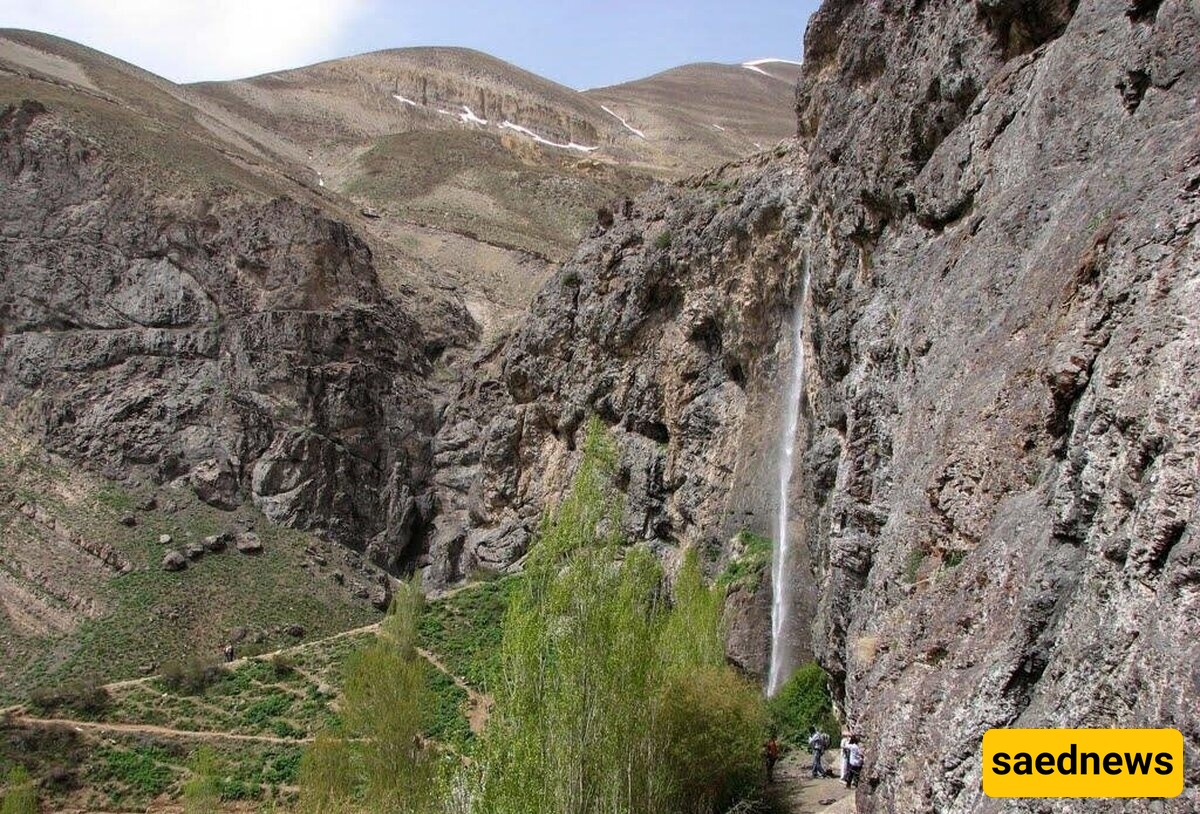
According to Saed News Analytical Website, Reported by ISNA, Sangan Village, nestled in the Alborz Mountains within the Kan district of Tehran, is one of the best nearby nature destinations for residents of the capital. In times when Tehran’s air feels heavy and polluted, this village offers a refreshing retreat into clean air, greenery, and mountain scenery.
Travel from central Tehran to Sangan Village takes about one hour by car. Reaching Sangan Waterfall from the village requires an additional 2 to 3 hours of hiking.
To get there from western Tehran or Karaj, you head east on Hemmat Highway for about 3 kilometers, then continue toward Koohsar Street. From there, you follow signs toward the Imamzadeh area and proceed along a mountain road for roughly 10 kilometers until you reach the village and the trail to the waterfall.
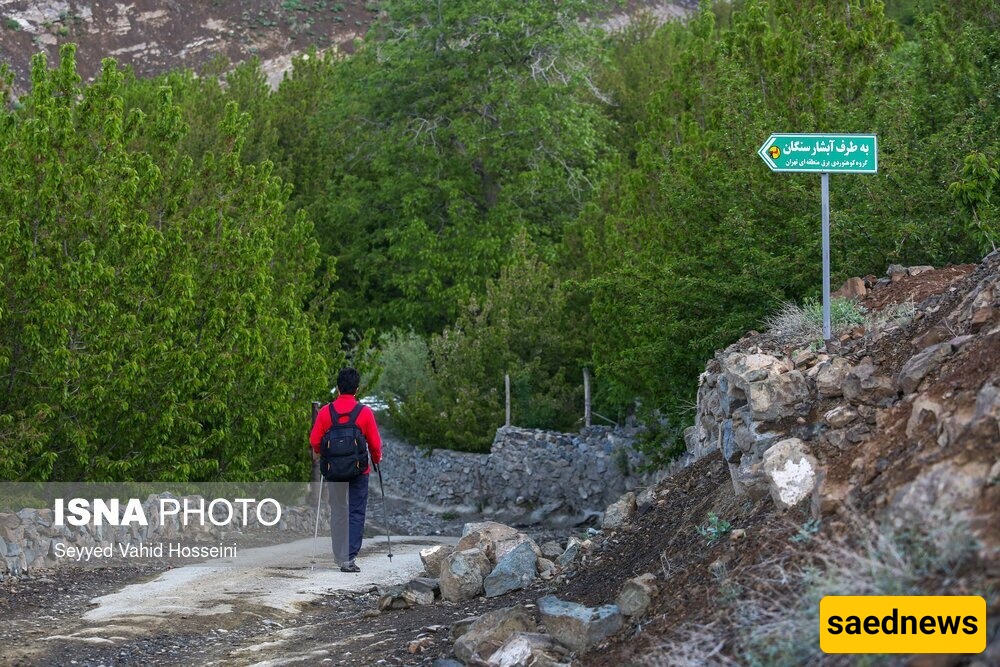
Sangan sits at an elevation of about 2,100 meters above sea level and consists of six neighborhoods: Sangan-e Pain, Sangan-e Miani, Sangan-e Bala, Bagh-Dareh, Dareh-Tak, and Sangan-e Now.
The village is also rich in historical heritage. It is home to three Imamzadeh shrines, and some inscriptions suggest that the village may be over 500 years old. However, some historical estimates extend its age to more than 2,000 years.
Evidence of its long history includes an ancient plane tree estimated to be around 1,000 years old and multiple historical shrines scattered across its neighborhoods. One notable site is Imamzadeh Aqil in the nearby area of Mazra, which was once part of Sangan before the construction of the Tehran–North Highway separated the regions.
The local language spoken in Sangan is Tati, an ancient Iranian dialect that further reflects the village’s deep historical roots.
The main attraction of the region is the spectacular Sangan Waterfall, located northwest of the village. The waterfall drops from a height of approximately 30 meters over large rock formations, creating a powerful and beautiful natural scene.
Its proximity to Tehran makes it a popular weekend destination. The hiking route to the waterfall is particularly scenic, passing through gardens, river-fed orchards, and mountain slopes. The Sangan River nourishes the surrounding vegetation, giving the area its lush and vibrant landscape.
Each season offers a different experience:
Spring brings blossoms and fresh greenery along the trail.
Summer provides a cool escape from city heat.
Autumn paints the landscape in golden and red tones.
Winter transforms the waterfall into a striking frozen structure, attracting photography enthusiasts.
Visitors can drive part of the way before continuing on foot. The hiking trail passes through agricultural gardens and gradually becomes steeper as it approaches the mountain ridge. The combination of river-fed orchards and mountainous terrain creates a refreshing and visually stunning journey.
Upon reaching the waterfall, visitors are greeted by an impressive cascade of water flowing over massive rock formations—a rewarding end to the hike.
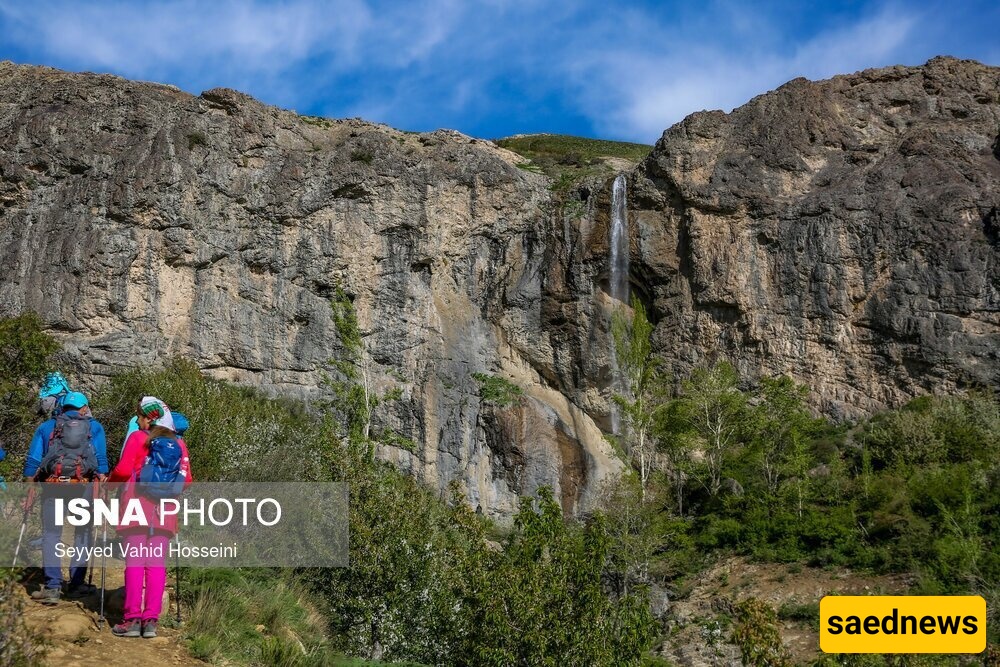
Your equipment depends on the season:
In winter:
Ice grips or crampons
Warm clothing
Gaiters
In warmer seasons:
Light backpack
Proper hiking shoes
Comfortable outdoor clothing
Hat and sunglasses
Sunscreen
Extra clothes (if planning water activities)
Water bottle
Small personal mat
Sangan Waterfall and Village offer a rare combination of accessibility, natural beauty, and historical depth—making it one of the most rewarding day-trip destinations near Tehran.