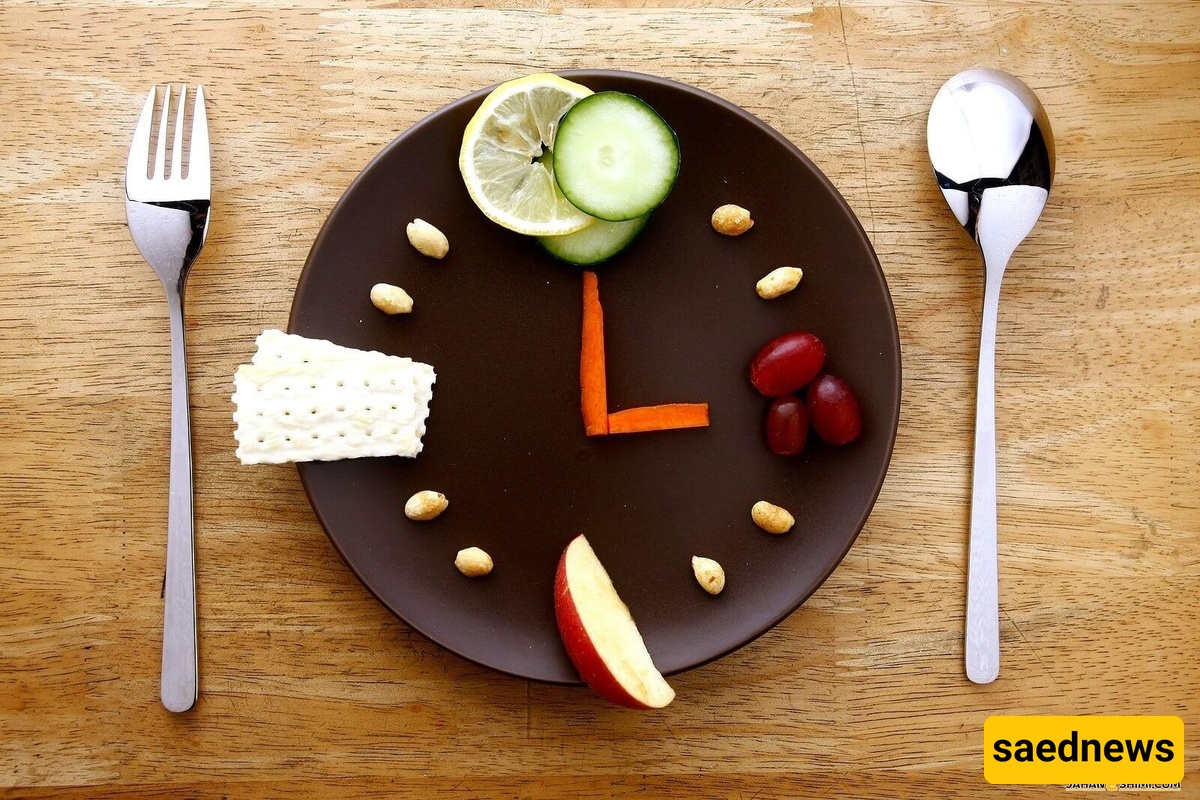
SAEDNEWS: A gastroenterology subspecialist says that lying down immediately after eating is one of the worst habits among many Iranians, and over time it can lead to problems such as acid reflux.

According to the family magazine service of Saed News Agency, quoting Hamshahri, sleeping immediately after eating is a common habit in many people’s daily lives. Many believe that a short nap after a meal may help digestion, but health experts and physicians have long warned about its risks and consequences.
The process of digestion requires regular stomach contractions, acid secretion, and the movement of food toward the intestines. However, when the body is placed in a lying-down position, several important changes occur:
Reduced gravity and disrupted food movement from the stomach to the intestines: In a lying position, gravity—which normally helps empty the stomach—is reduced. As a result, food moves more slowly through the digestive tract.
Increased likelihood of acid reflux into the esophagus: Lying down makes it easier for stomach acid to move upward into the esophagus. This can worsen heartburn, a bitter taste in the mouth, and a feeling of heaviness.
Increased pressure on the lower esophageal sphincter: After a heavy meal, the full stomach puts pressure on the lower esophageal sphincter, which normally prevents acid from flowing back. In a lying position, especially under pressure, this valve may not close properly, allowing acid to return to the esophagus.
Reduced nervous system activity and slower digestion: Sleeping immediately after eating places the body in a fully relaxed state, slowing metabolic and digestive processes. This can lead to short-term digestive discomfort and potentially longer-term issues.
Research shows that the gap between eating and sleeping is not only important for digestive health. Other effects include:
Sleep disruption: A full stomach increases digestive activity and may cause nighttime awakenings.
Higher risk of nighttime reflux: Reflux is more severe in a lying position and may cause coughing, shortness of breath, or sudden waking.
Blood sugar fluctuations: Sleeping after meals, especially in people with insulin resistance, can worsen blood sugar instability.
Fatigue and sluggishness: Contrary to popular belief, naps after eating can cause tiredness and lethargy due to changes in digestion and reduced blood flow to muscles, and may even lead to irritability in some individuals.
Dr. Arash Nikfar, a gastroenterology and liver subspecialist, told Hamshahri Online that sleeping immediately after eating is one of the worst habits among many Iranians and may gradually cause health problems. He said the most common consequence is reflux, which affects many people. He added that sleeping right after eating can also delay stomach emptying of digested food. While this may not be problematic for everyone, it can worsen pain or burning in people with existing digestive disorders.
According to him, some people mistakenly believe that lying down after eating helps the body rest and digest faster. However, the digestive system functions more effectively in a seated or at least semi-upright position.
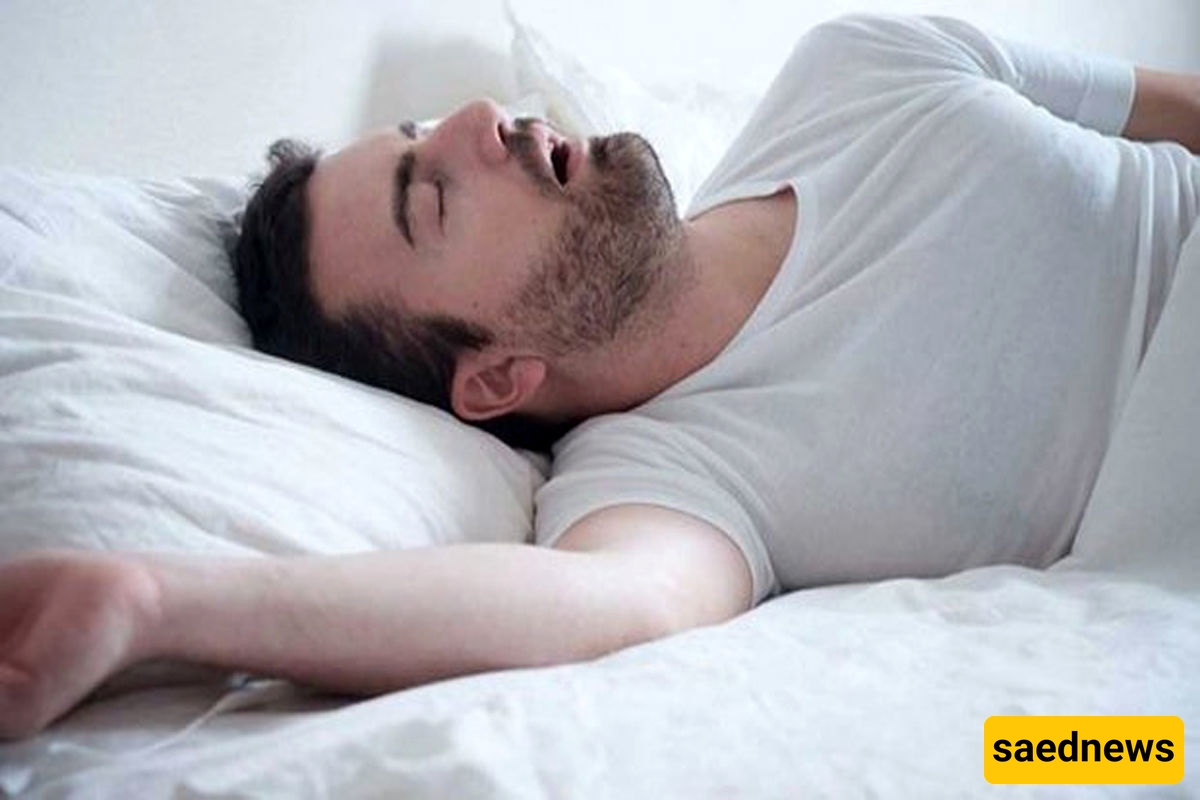
Dr. Nikfar explained that sleeping after eating is not ideal for anyone, but the level of harm varies. For people without digestive or metabolic issues, a short nap after a light meal is not necessarily dangerous. However, it can still cause heaviness and slower digestion.
He added that individuals with gastroesophageal reflux disease (GERD), heartburn, or hiatal hernia suffer the most from this habit, as stomach acid can more easily flow back into the esophagus.
He also noted that sleeping after meals may increase post-meal blood sugar fluctuations, making it unsuitable for people with diabetes. Additionally, those with abdominal obesity are also more vulnerable due to increased stomach pressure and strain on the esophageal sphincter.
Most experts recommend waiting at least 2 to 3 hours after a meal. During this time, most food leaves the stomach, reducing the risk of acid reflux and allowing the body to prepare properly for rest.
Dr. Nikfar also recommends that if someone feels very sleepy, they may rest in a semi-sitting position for about 15 minutes, but should avoid lying down completely whenever possible.