SAEDNEWS: Cooking Skills Don’t Improve Automatically If Bad Habits Go Uncorrected
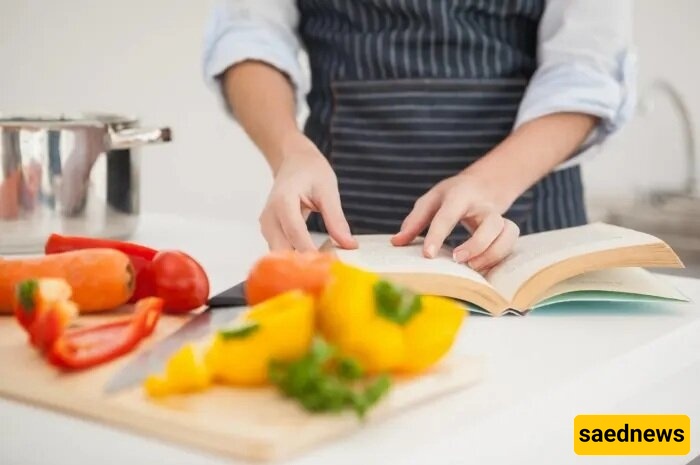
According to Saednews Family Service report, successful cooking depends less on complex recipes and more on correcting simple habits. Ignoring these small details can be the difference between an average meal and a professional-quality result. Below are five common but incorrect cooking habits that, when corrected, can significantly improve the final outcome.
Preheating the oven, pan, or grill is one of the most basic cooking principles, yet it is often ignored. Many people, especially when in a hurry, skip this step and place food on the cooking surface before it has reached the proper temperature. This leads to uneven cooking, incorrect cooking times, and sometimes undercooked or burnt food.
This mistake is also common with pans and oil. If the oil becomes too hot and reaches its smoke point, it not only develops an unpleasant taste but also produces harmful compounds. On the other hand, if the oil is not hot enough, the food will not become properly crispy or seared. A good indicator of the right oil temperature is a shimmering, slightly trembling surface rather than visible smoke.
Overcrowding the pan is a common mistake, often caused by time pressure or the desire to cook faster. However, when too much food is added at once, the cooking surface temperature drops quickly, and instead of frying or sautéing, the food begins to steam.
This is especially important for vegetables and meat. Vegetables lose their crisp texture, and meat releases moisture instead of browning properly. Cooking in batches may take more time, but it results in significantly better flavor, texture, and appearance.
Many cooks believe that constant stirring prevents food from burning, but in many cases, this has the opposite effect. Excessive stirring prevents the formation of browning reactions that are essential for deep, rich flavor.
In addition, frequent stirring can damage the texture of ingredients, making the food soft and mushy. In most recipes, it is recommended to let food sit undisturbed on the heat for a while so it can properly brown. Continuous stirring should only be done when explicitly required by the recipe.
One of the most important yet often ignored steps in cooking meat is resting it after cooking. When meat is removed from heat, its juices are concentrated in the center. If it is cut immediately, these juices will escape, resulting in dry meat.
Allowing the meat to rest for a few minutes helps redistribute the juices throughout the fibers, resulting in a juicier and more flavorful outcome. Smaller cuts require less resting time, while larger cuts need more time to preserve quality.
Acidic foods such as tomatoes, vinegar, and lemon juice can react with certain metals. Uncoated aluminum or cast iron cookware may alter the taste and color of food when in contact with these ingredients.
To prevent this issue, it is recommended to use stainless steel, enamel-coated, or glass cookware. This simple choice preserves flavor quality and prevents unwanted metal contamination in food.
These common cooking mistakes are habits many people make without realizing their impact. Correcting them not only improves taste and texture but also enhances kitchen safety and overall food quality. With a little attention, awareness, and patience, cooking can become a more enjoyable and professional experience.