SAEDNEWS: For over two centuries, Emameh village has kept alive the story of Shah Naser al-Din Qajar’s love for Anis al-Dowleh. A visit to its natural landscapes is also a chance to remember this historic romance.
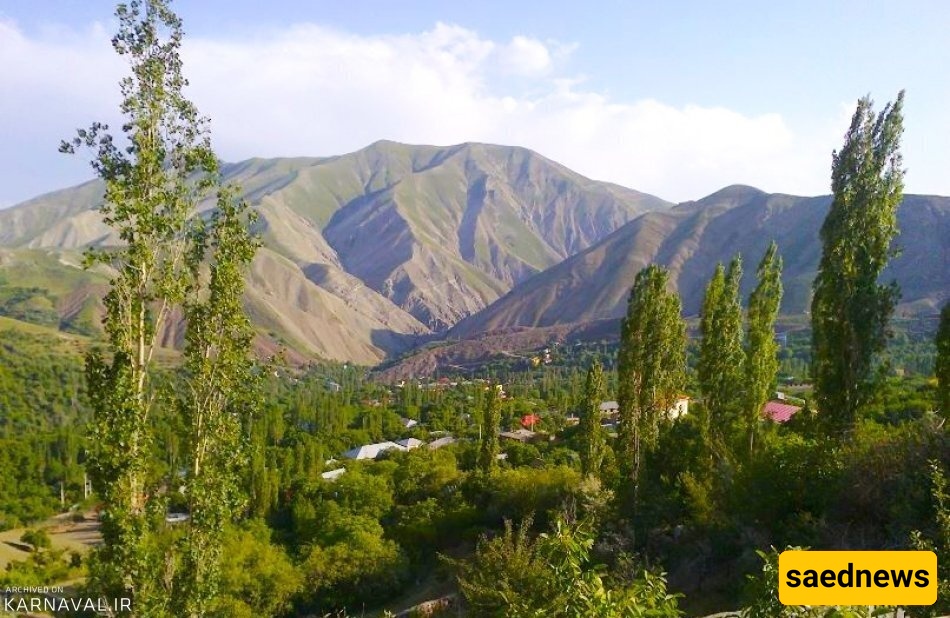
The most enduring story still told after two centuries in the village of Imameh is the tale of Qajar king Naser al-Din Shah’s love for Anis al-Dawlah. A romance whose traces lead back to this mountain village and the young girl who soon found herself inside the Naserian citadel. These days, if you visit the natural landscapes of Imameh, it is worth remembering this historical story.
Imameh Village is hidden among the winding routes of the Rudbar-e Qasran region, near Ahar and Meygun. Nestled on the slopes of the Alborz Mountains, it is a cold, snow-covered settlement with a mountainous climate.
The name of Imameh is also mentioned in a 7th-century geographical work by the historian Yaqut al-Hamawi, who referred to it as “Anbameh,” describing it as a high-altitude settlement. According to Abolqasem Tafazoli in From Forough al-Saltaneh to Anis al-Dawlah, the name likely derives from “Anbaneh,” meaning a place for storing wheat. Until about fifty years ago, most villagers were farmers, cultivating wheat and barley across the fertile lands.
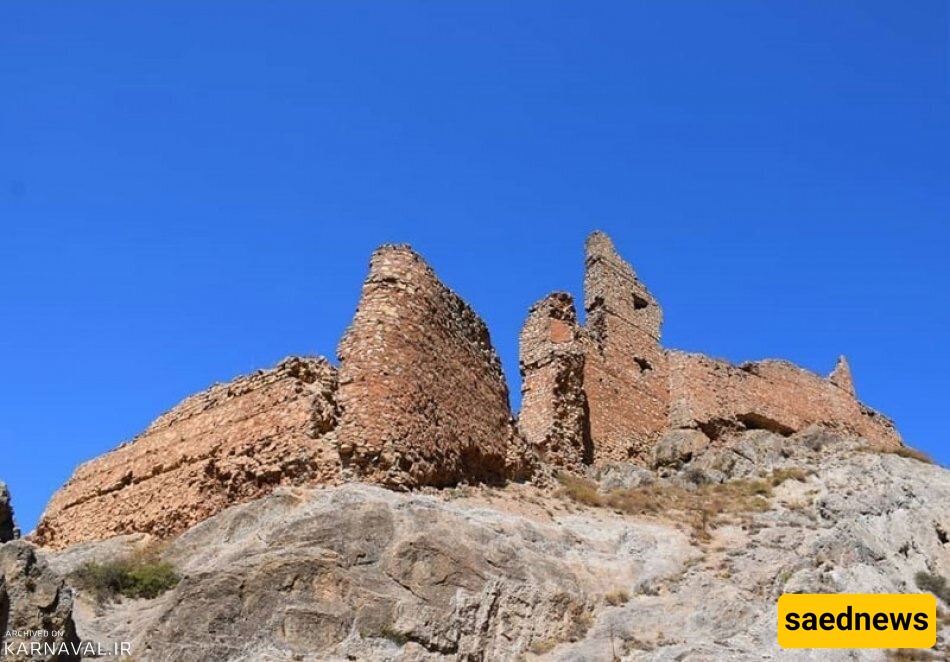
Walking through the narrow alleys of Imameh leads you to a riverbed—a popular weekend retreat for locals and many Tehran residents. Opposite the river stands a hill topped with the remains of a stone fortress known as Maziyar Castle, dating back around 1,200 years to the Abbasid era.
Accessing the castle is not easy; reaching its ruins requires a long hike. Neglect over time has caused much of the structure to disappear, leaving only fragments behind.
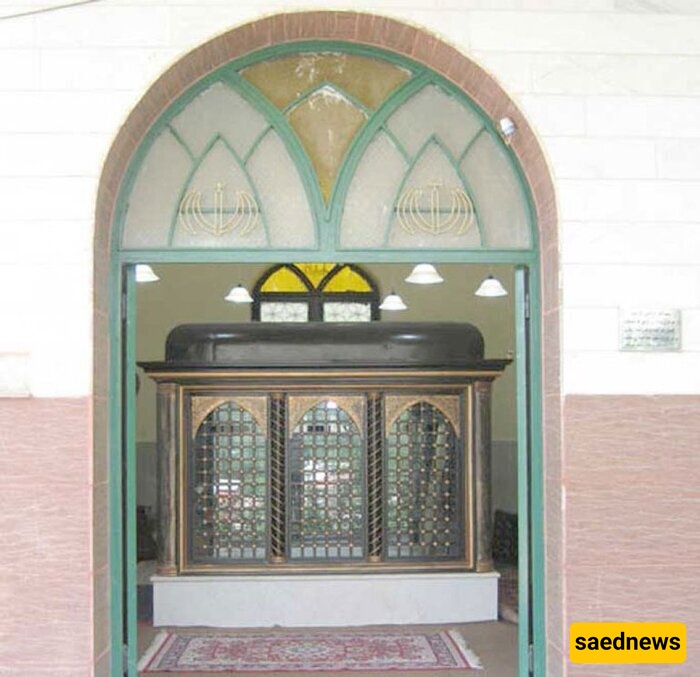
Imameh is home to two historic shrines, Shahzadeh Hossein (A.S.) and Emamzadeh Noor (A.S.), with the village cemetery located beside them. A carved stone inscription at Emamzadeh Noor, once lying in its courtyard, mysteriously disappeared a few years ago, and no one knows who took it—or whether any effort was made to recover it.
The village once had seven water mills built at the outlets of its two qanats. All villagers brought their wheat to these mills for grinding, often booking their turn in advance. Millstones were sourced from nearby valleys, where skilled stonecutters would shape a large rock over ten days and nights.
Once the stone was ready, the mill owner would slaughter a large sheep and prepare a feast of stew. About thirty men from the village would travel to the valley to bring the millstone, and upon setting it in place, they would share a meal that served as their reward.
One of the village’s well-known traditional crafts was saddle-making. Imameh saddles were famous for their durability and fine stitching, attracting buyers from across the country.
Naser al-Din Shah was fond of Imameh and, without building a villa there, would camp in the village for a few weeks during summer to enjoy its pleasant climate.
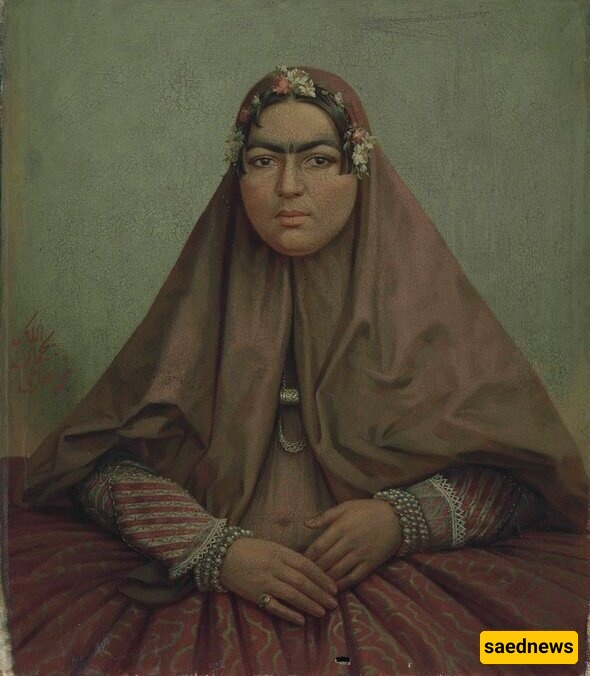
On one of these visits, he saw a girl and fell deeply in love. Within a month of returning to Tehran, he ordered her brought to the royal palace and gave her the title “Anis al-Dawlah.”
She was an orphan living with her uncle and two brothers. Her entry into the royal court brought major changes to the village—from increased development and road construction to exemptions for village boys from military service.
Later, when family surnames became mandatory, her relatives adopted the name “Anisi,” which remains one of the well-known clans of Imameh today.
Other well-known family names in the village include Kiaei, Babaei, Ali-Asgari, and Darzi. The “Seyed Hassan Razzaz” alley contains the abandoned ancestral house of the famous wrestler Hassan Razzaz’s mother, now left exposed to wind and winter rains.
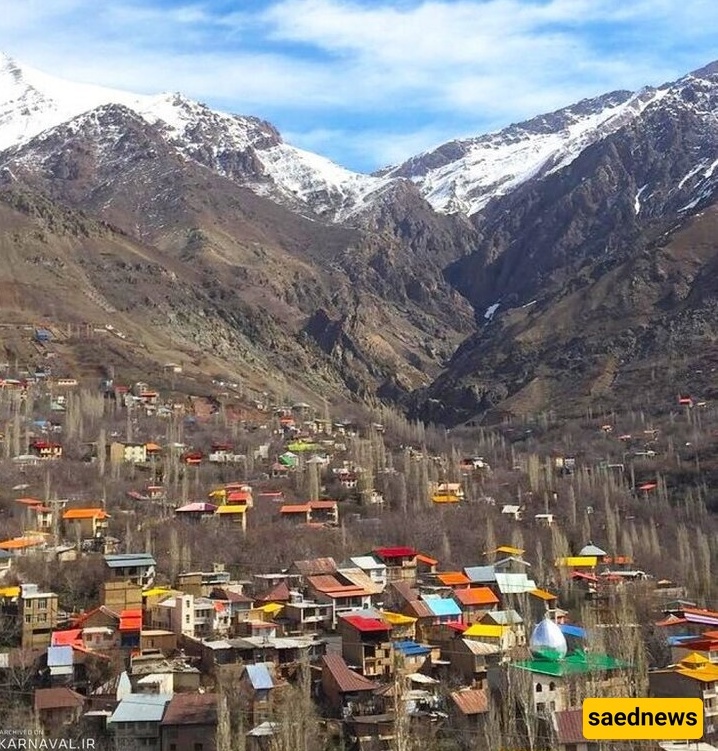
In earlier times, reaching Imameh was extremely difficult before asphalt roads existed, and villagers relied on pack animals for travel. As a result, most residents were self-sufficient.
Today, overnight stays inside the village are rare, but nearby Meygun offers accommodation options, including hotels. Lavasan is also close by, where visitors can find eco-lodges, rentals, and guesthouses.
Imameh has a colder climate than nearby Lavasan areas, so if you visit—especially during Nowruz—warm clothing is essential.