Saed News: Having a job contributes to women’s emotional growth and strengthens their sense of productivity, which is considered an advantage over housewives. Stay with us for more on this discussion.

According to SAEDNEWS, research has shown that women’s participation in employment has deep historical roots. Women’s efforts to enter the workforce have grown significantly in recent decades, something clearly reflected in employment statistics. Today, the percentage of working women in any country is considered an indicator of that country’s growth and development. Current social and cultural conditions have created opportunities for women to play more active roles in both social and family dynamics.
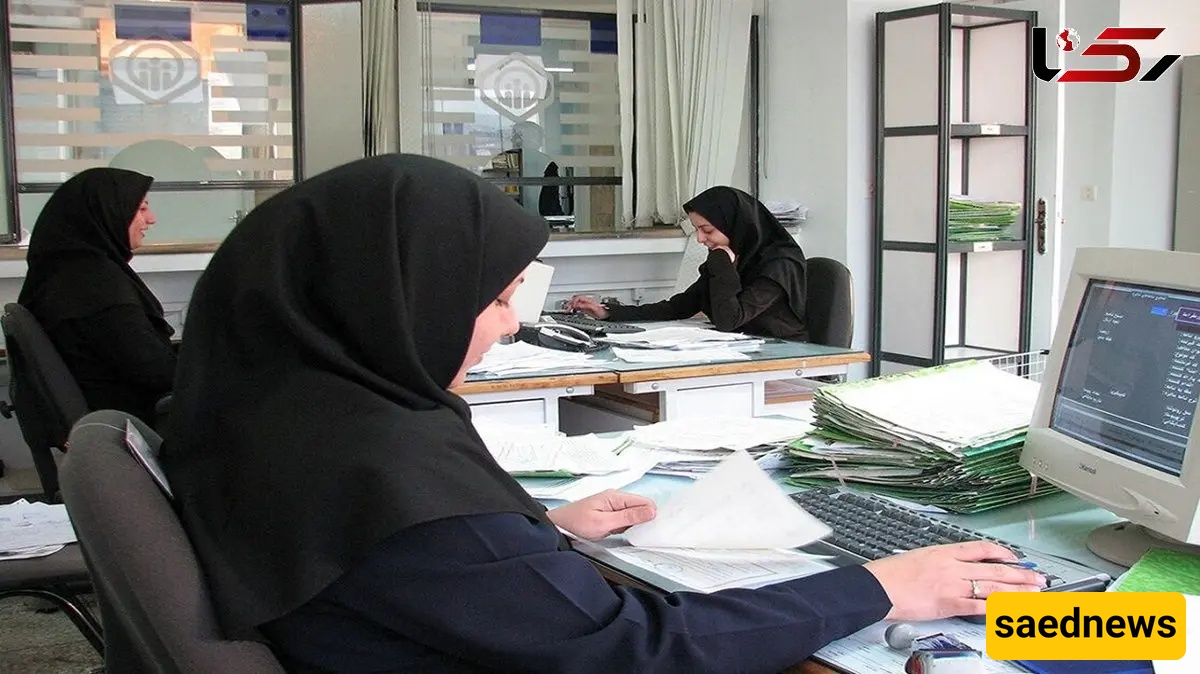
When women enter the labor market — whether by personal choice or family necessity — changes naturally occur in scheduling, parenting, marital roles, family responsibilities, and more. Therefore, working women need to manage their time effectively, pay greater attention to physical health and fatigue, handle psychological stress and work pressure, and show more flexibility in balancing different roles.
They must also reach mutual understanding with their spouses regarding the division of responsibilities and the definition of new gender roles. Paying attention to these matters is extremely important, and through such criteria, the positive and negative effects of women’s employment on family functioning can be evaluated.
Employment not only provides women with economic benefits, but also improves cultural awareness, social and psychological skills, emotional intelligence, knowledge of current issues, and social interactions. These factors can help women become wiser and more informed within the family environment.
Policies and planning should be designed in a way that allows women to fulfill what is traditionally considered their most important responsibilities — being wives and mothers — while also participating socially without causing concern or harm to the family foundation.
Reducing women’s working hours could help them spend more time in their roles as wives and mothers. Long working hours often cause women to return home exhausted, and handling household responsibilities after social and professional activities may lead to mental and emotional fatigue.
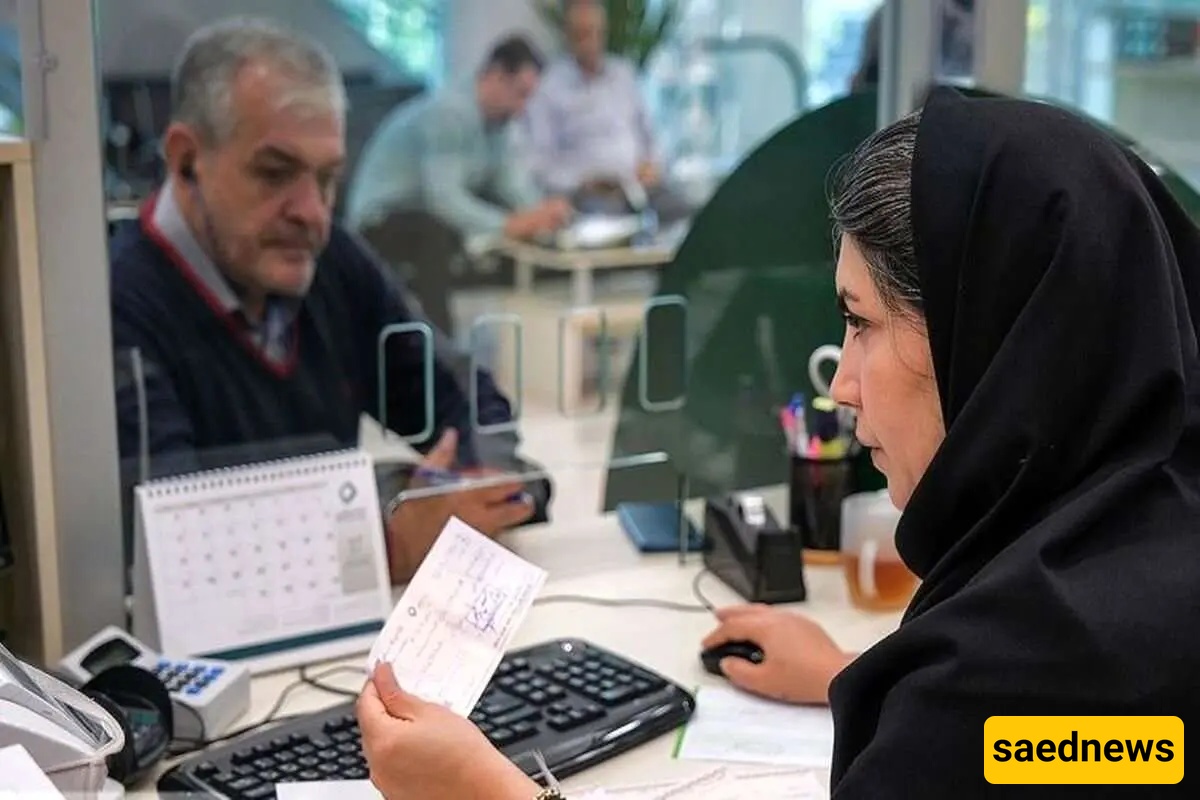
Managers can create happier employees by maintaining a balance between work and personal life. Such employees are more likely to show enthusiasm, loyalty, commitment, and effective performance in their jobs.
Achieving this goal requires managers to abandon the traditional view that work and life are in constant competition — a “zero-sum game” — and instead adopt an approach that considers the interests of both the individual and the organization simultaneously and in harmony.
Working women often develop stronger self-confidence and become capable of financially supporting their families. They usually adapt more easily to changing conditions and may be better equipped to guide and support their families during difficult times.
Some people believe that a woman’s role is to stay at home and take care of children, and that working is unnecessary. However, in modern society, new perspectives have emerged. Women increasingly seek better social positions and strive to achieve financial independence alongside professional and social success through employment.