SAEDNEWS: The German chancellor, emphasizing shifts in the global balance of power, stated that the era in which the international order was shaped under U.S. dominance has come to an end, and that Europe is compelled to pursue its interests and security with greater realism.
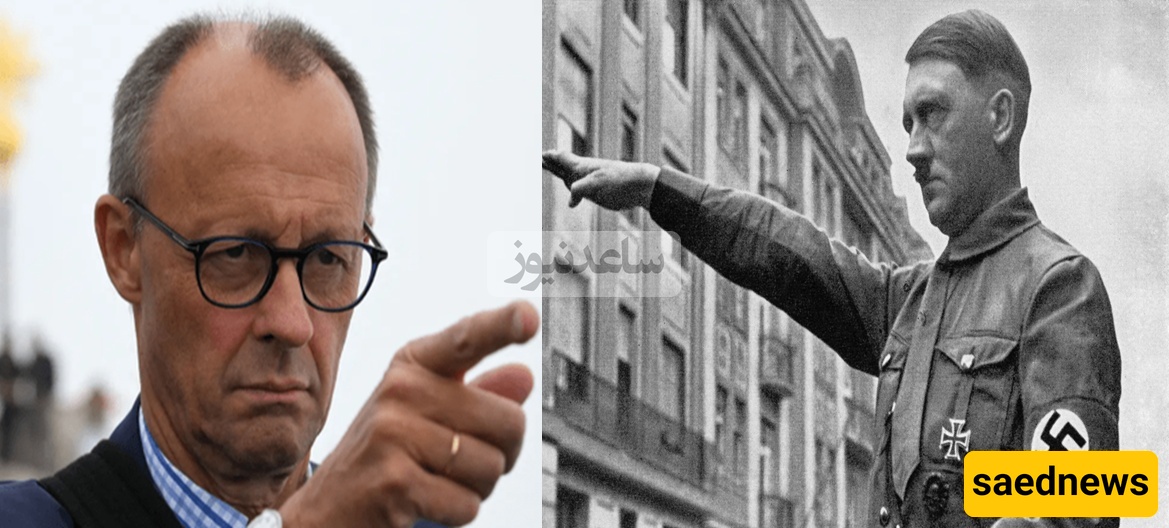
According to the political news service of Saed News, German Chancellor Friedrich Merz, referring to recent geopolitical developments, stated that the decades during which Europe enjoyed stability and security under the American umbrella have largely come to an end. He added that the era known as the "American peace" no longer exists in the way Europeans experienced it in the past.
Emphasizing that nostalgia for the past is not a solution, Merz said, "Although returning to that period may seem appealing to many, the new global realities do not allow for such a perspective." He noted that the United States now prioritizes its national interests with greater intensity.
The German chancellor added that this shift in U.S. policy should serve as a serious warning to Europe to pursue its interests and security with greater responsibility. He stressed that Europe—and Germany—are not as weak or incapable as some might think and possess the necessary capacity to defend their interests.
Merz concluded by highlighting that the new international environment forces Europe to play a more active and independent role in foreign policy and security matters.
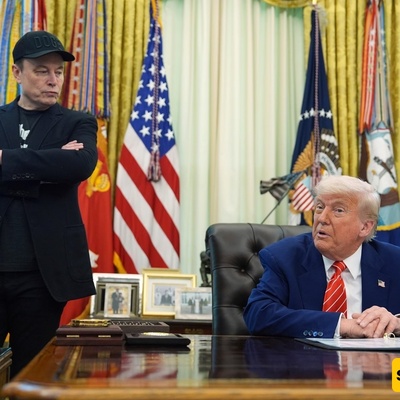
During his presidency, Donald Trump repeatedly adopted harsh and sometimes confrontational positions that strained relations between the United States and Europe. From sharply criticizing NATO and threatening to reduce America’s security commitments to imposing heavy tariffs on European steel and aluminum and consistently emphasizing the need for European allies to pay their "fair share," Trump viewed the European Union not as a partner but as an economic rival. He often described the bloc’s trade policies as "unfair."
This unilateral approach, grounded in the absolute prioritization of U.S. interests, created significant doubts among European countries about Washington’s reliability and significantly strengthened discussions on the necessity of strategic independence for Europe in security, defense, and economic matters.