SAEDNEWS: A Footprint on the Moon Sparks Questions Among Space Enthusiasts
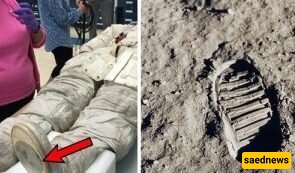
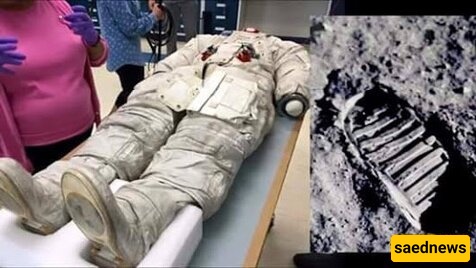
A footprint on the Moon has sparked curiosity among space enthusiasts and science fans alike. Observers noticed that the iconic footprint captured by Buzz Aldrin, who—alongside Neil Armstrong—was one of the first humans to set foot on the lunar surface, doesn’t match the soles of his spacesuit boots. While this has raised questions in the public imagination, the explanation is surprisingly simple.
The Boots Worn by Aldrin on the Moon
Apollo 11, one of NASA’s landmark Apollo missions, marked the first human landing on the Moon. On July 20, 1969, at 20:18 UTC, Neil Armstrong and Buzz Aldrin touched down on the lunar surface. About six hours later, at 02:56 UTC on July 21, Armstrong stepped onto the Moon, followed shortly by Aldrin. The mission’s third astronaut, Michael Collins, remained alone in lunar orbit until the other two rejoined him approximately 15 hours later. After spending eight days in space, all three astronauts safely returned to Earth.
Armstrong’s historic first steps on the Moon were broadcast live on televisions worldwide. Upon setting foot on the lunar surface, he famously said, “That’s one small step for a man, one giant leap for mankind.”
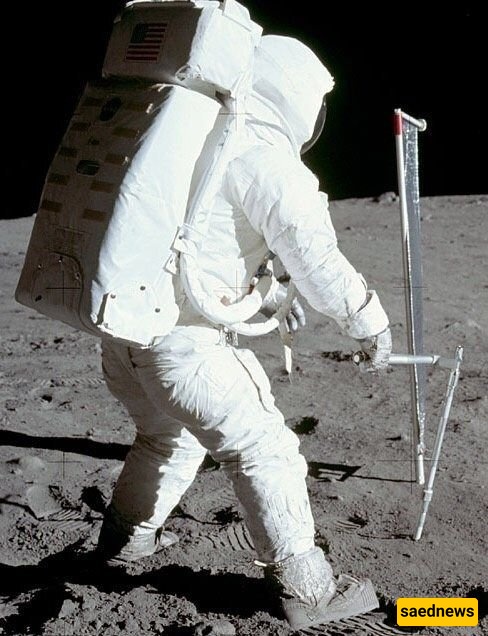
However, a photograph Armstrong took of Aldrin’s footprint reveals a pattern that doesn’t match the soles of the spacesuit boots displayed at the NASA museum. This discrepancy has puzzled some, particularly amid long-standing rumors questioning the authenticity of the Moon landing.
Understanding the Misconception
First, it’s important to clarify a common misunderstanding: the footprint in the photo is not Armstrong’s—it belongs to Aldrin. Armstrong was the photographer.
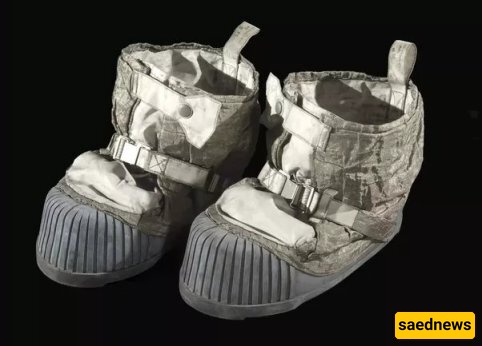
The reason for the mismatch lies in the design of the lunar boots. The suit displayed at NASA, known as the A7LB, is the standard spacesuit worn by all three astronauts during Apollo 11. However, for walking on the Moon, Armstrong and Aldrin added several components to their suits, including a specialized pair of overshoes.
These overshoes were designed to protect the astronauts’ suits and bodies from tearing and from exposure to lunar dust. They are distinct from the boots preserved in the museum.

Proof from NASA X-rays and Observations
NASA X-ray images of the overshoes, along with other photographs, show the tread pattern, which aligns perfectly with the footprints left on the Moon’s surface.
According to National Geographic, after collecting lunar rock samples, Armstrong and Aldrin removed these overshoes to reduce extra weight on the lunar module and left them on the Moon.
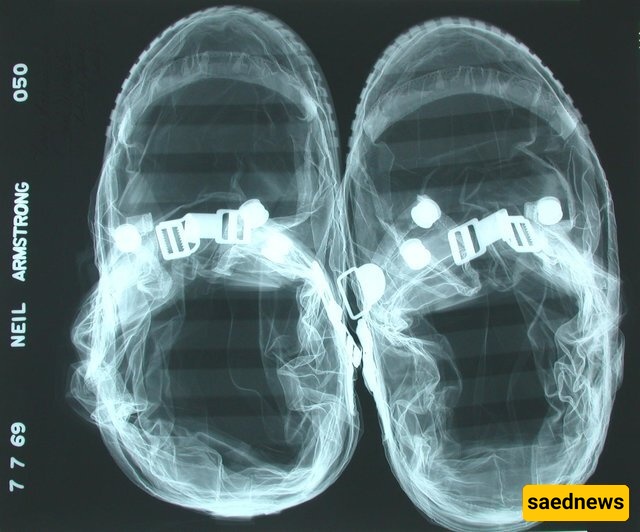
Since the Moon has no atmosphere, the metal components of these boots have not oxidized over nearly 50 years and remain intact. However, the fabric and silicone soles likely have degraded over time, meaning any attempt to touch them would probably result in disintegration into powder.