SAEDNEWS: Distancing yourself from social media can be challenging and may even cause symptoms similar to "withdrawal from addiction." However, if you succeed in doing so, the results will be surprisingly positive.
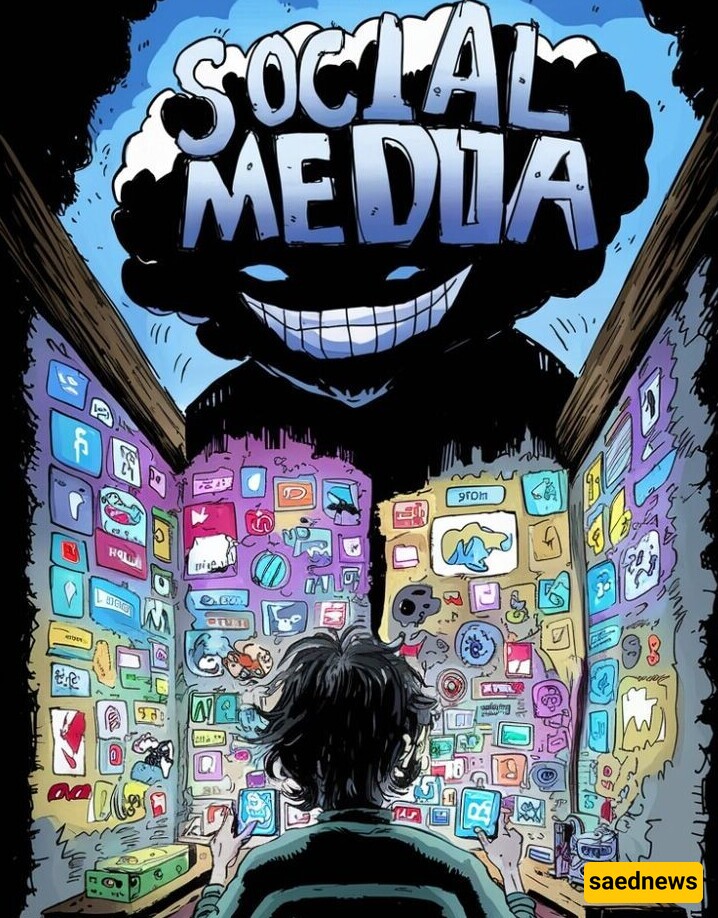
According to SAEDNEWS, Do you feel like you spend too much time scrolling through social media? You’re not alone. The average American adult spends over two hours a day on social media, while for teenagers using platforms like TikTok and Instagram, this time doubles.
Given the warnings from experts about the addictive nature of social media, many people are looking for ways to break free. For example, Google searches for “social media detox” have increased by 60% in recent months.
But does stepping away from social media really make a difference? Research shows the answer is yes, and the benefits for your brain and overall health may surprise you.
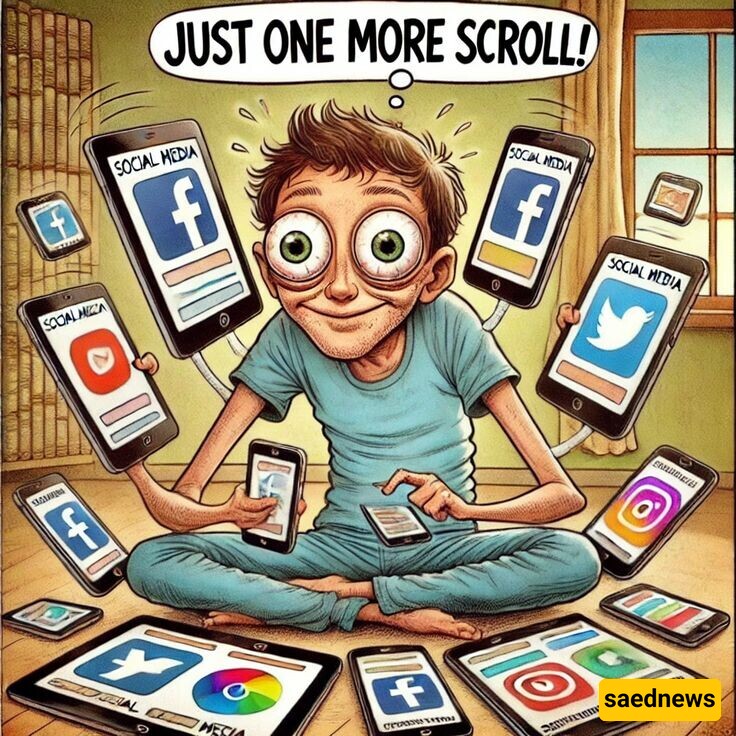
Many of us feel trapped in endless scrolling—a phenomenon confirmed by Oxford’s 2024 word of the year, “brain rot.” But quitting social media isn’t easy, as these platforms directly interact with our brain’s reward system.
Anna Lembke, an addiction medicine specialist and author of Dopamine Nation: Finding Balance in the Age of Indulgence, explains that people can become addicted to digital media in the same way they become addicted to drugs. Studies on the effects of drugs and alcohol on the brain suggest that a similar process happens when we use social media. Every like, comment, or funny video triggers a surge of dopamine—the brain’s “feel-good” chemical.
However, the brain naturally works to maintain a dopamine balance. Lembke describes this as a “seesaw” mechanism. The endless scrolling disrupts this balance, forcing the brain to compensate by producing less dopamine or slowing down its release. Over time, this leads to a state called dopamine deficiency, where we need more time online just to feel "normal."
Lembke states that breaking this dopamine cycle allows the brain to reset its reward pathways, helping us avoid overconsumption and the mental exhaustion often described as brain rot.
To reset the brain’s reward system, Lembke recommends taking a break from social media for at least four weeks—but even shorter breaks can improve mental health.
For example, a study on 65 girls aged 10 to 19 found that just three days away from social media boosted their self-esteem, increased self-compassion, and reduced body shame.
If you decide to quit or significantly reduce your social media use, the first few days will likely be the hardest. Sarah Woodruff, who co-led a study on social media detoxing, highlights this challenge.
Lembke explains that withdrawal symptoms such as strong cravings or anxiety are completely normal as the brain adjusts to lower dopamine levels. However, pushing through this discomfort helps the brain reset its reward system and break the cycle of craving and consumption. Over time, these urges fade away, making it easier to live without constant dopamine hits from social media.
Woodruff states:
“Over time, people realize that detoxing from social media is much easier than they expected. Once they establish a routine, most people actually enjoy the experience.”
At the end of a two-week detox, where participants limited social media use to 30 minutes per day, most reported improved mental well-being. They felt more satisfied with life, less stressed, and had better sleep.
Going through a detox is easier when done with friends or a support group.
A study on teenage girls, led by Tammy-Ann Roberts, a psychology professor at Colorado College, asked participants to stay connected via WhatsApp groups for support.
Roberts explains:
“We found that the girls experienced FOMO (fear of missing out), but by sharing their experiences with others, these feelings significantly decreased.”
Beyond resetting the brain’s reward system, taking a break from social media helps us reflect on our usage patterns.
Woodruff advises:
“We should use this time to reassess our habits and ask ourselves: Am I getting things done during the day, or am I missing out on real-life interactions because of social media?”
After completing a detox, it’s crucial to take preventative measures to avoid falling back into overuse.
Lembke suggests:
Creating physical or mental barriers between yourself and social media (e.g., keeping your phone out of the bedroom or turning off notifications).
Replacing unhealthy dopamine sources with rewarding but effort-based activities like learning an instrument or cooking. This way, the brain releases dopamine naturally and at a healthier pace.
Experts recommend scheduling regular social media detox periods throughout the year to maintain balance.
Woodruff concludes:
“We can’t completely eliminate social media, but taking occasional breaks helps us reassess its impact on our emotions and daily lives.”








![Inside Fawzia’s Lavish Multi-Tiered Wedding Cake: Egyptian Bride of the Pahlavi Shah – A Glimpse into Royal Extravagance [Photos]](https://en.saednews.com/storage/files/post/205db531-a262-4f05-a379-8eb632e7e358-tZlV8PeJUQ2dZs0g/1x1-image-crp.jpg)