SAEDNEWS: Children now spend more time indoors and on digital devices, but research shows that nature improves brain and body health, boosts learning, and increases happiness and energy.

According to Saednews tourism and health reports, spending time in nature is extremely beneficial and important for children. When children are outdoors, they can use their creativity more freely and with greater calm. Unlike indoor environments, nature provides open space, sunlight, fresh air, and a natural setting, all of which support healthy growth and development.
Being in nature also strengthens children’s immune systems, as natural environments contain beneficial compounds that help improve overall health and immunity.
In addition, nature helps children reduce daily stress and anxiety, enabling them to better cope with life’s challenges. Overall, exposure to natural environments plays a key role in a child’s physical, mental, and emotional development. Parents are encouraged to reduce screen time and allow children to spend more time outdoors in natural spaces.
Vitamin D is an essential nutrient for the human body. It helps the body absorb calcium and plays a key role in bone growth, bone health, and immune system function. When sunlight reaches the skin, vitamin D production begins in the body.
For this reason, children should be encouraged to spend part of their day outdoors in sunlight. However, it is important to avoid prolonged sun exposure, especially during midday hours, as it can be harmful to the skin. Experts also recommend using sunscreen for everyone, especially children, when outdoors.

In addition to proper nutrition, the body needs physical activity to function optimally. Regular movement helps the body absorb nutrients effectively and prevents illnesses caused by inactivity.
Children who spend time outdoors gradually develop better self-care skills. Activities such as running, cycling, jumping, and playing improve their motor skills and contribute to healthier and more flexible bodies in the future.
Exposure to soil and natural environments also helps strengthen the immune system. Children who interact with soil from an early age tend to develop stronger resistance to illness.

Children naturally tend to create games and stories in their minds. With even the smallest inspiration, their imagination builds entire worlds. For example, a simple stick can become a horse, or they may imagine themselves as train drivers or riders in an adventure.
Outdoor environments provide endless opportunities for such creative play, allowing children to enjoy imaginative experiences without needing structured toys or digital devices.
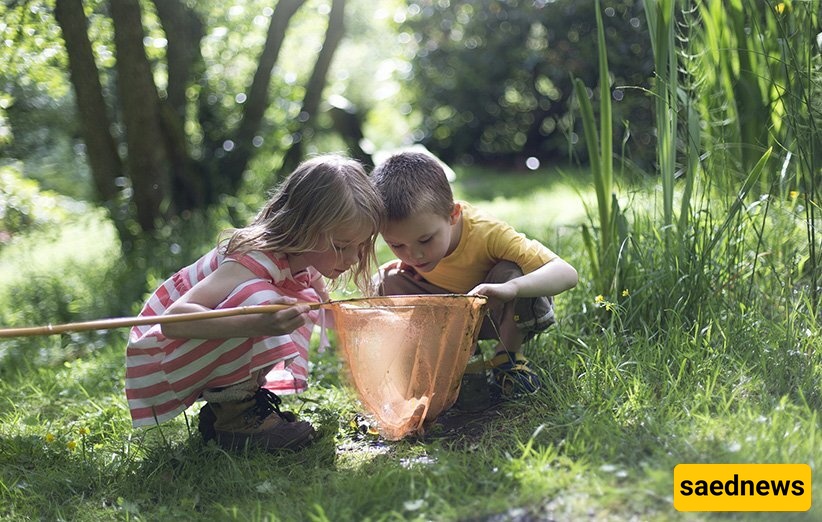
Children who spend time outdoors with friends learn cooperation and coordination. Outdoor play often requires sharing equipment, taking turns, and following group rules.
These experiences help children learn teamwork, communication, discipline, and problem-solving skills—abilities that cannot be developed through watching TV or playing video games.
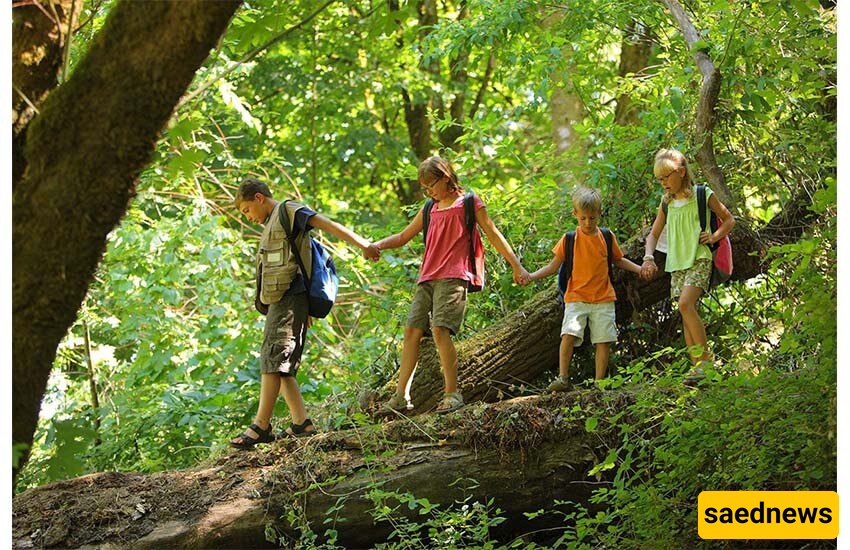
Some children may unknowingly behave improperly in natural environments, such as littering or damaging plants. This is usually due to a lack of education rather than intentional harm.
Parents play an important role in teaching children to respect nature, understand the importance of living organisms, and care for the environment. Encouraging positive behaviors, such as caring for animals or protecting plants, helps develop empathy and environmental responsibility.
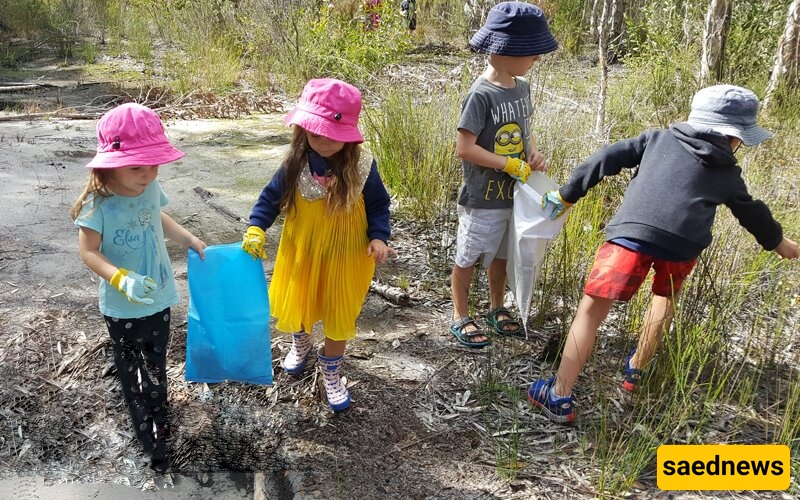
Today, children face higher risks of obesity, heart problems, and diabetes due to inactivity and excessive screen time.
Encouraging outdoor play helps children become more active, healthier, and more energetic. Activities like climbing trees, collecting stones, and exploring nature increase both physical strength and enthusiasm for the world around them.

Children who spend time in nature develop sharper observation skills. They notice small details in their environment and remain naturally curious.
Such children are more alert and more likely to explore and discover new things in their surroundings.
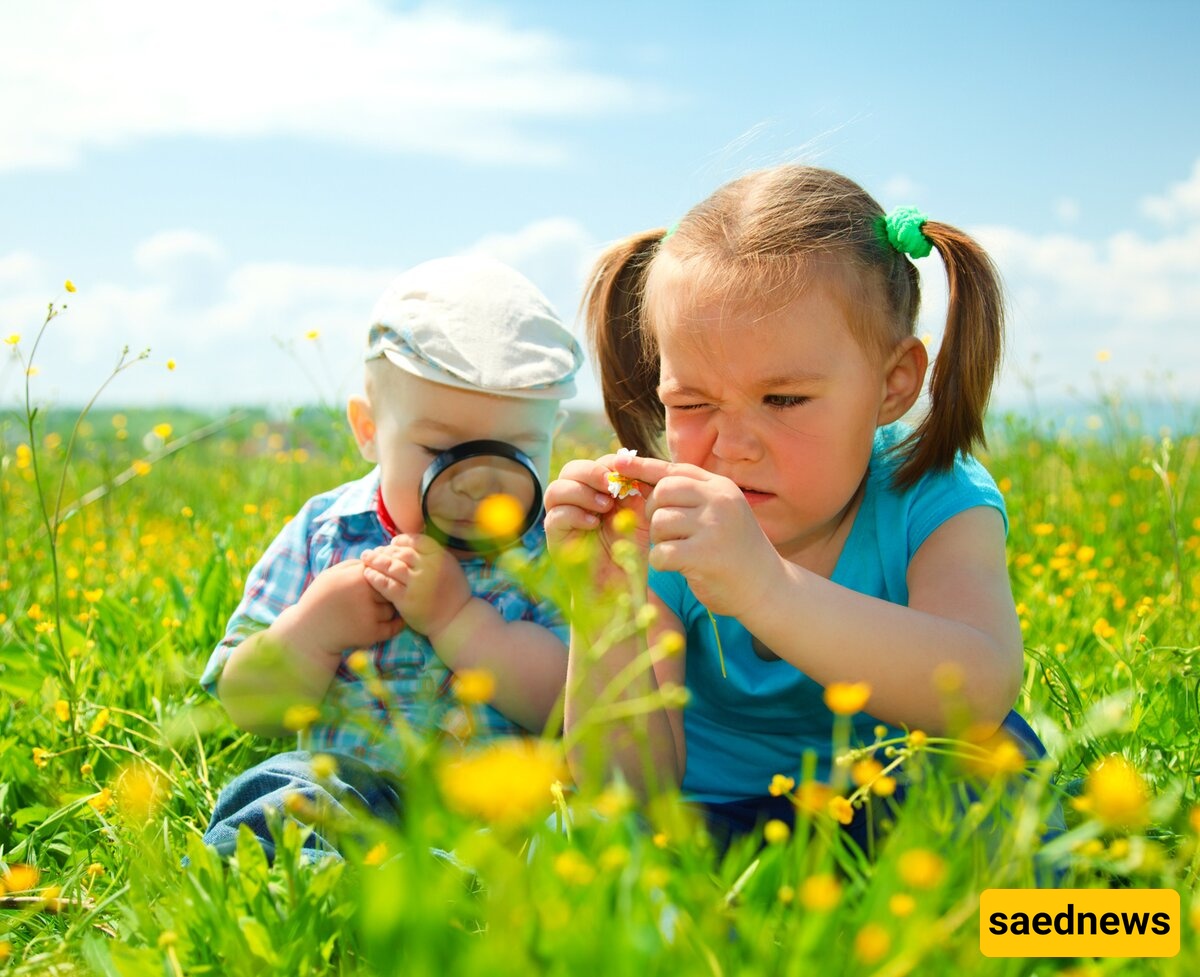
Excessive screen time from tablets, phones, and television can lead to eye strain and vision problems in children.
Studies show that children who spend more time outdoors have a lower risk of developing nearsightedness and generally maintain healthier eyesight.
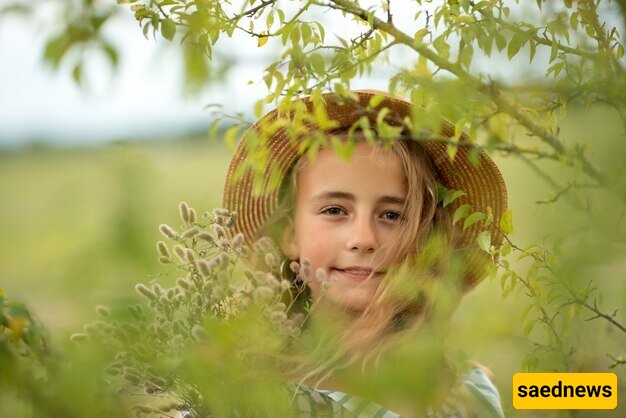
Childhood is the best time to develop healthy eating habits. Visiting farms or orchards allows children to experience fresh food directly from nature.
When children pick and eat fresh fruits themselves, they develop a stronger preference for natural and healthy foods in the future. Participating in farming activities also helps them appreciate the value of food production.
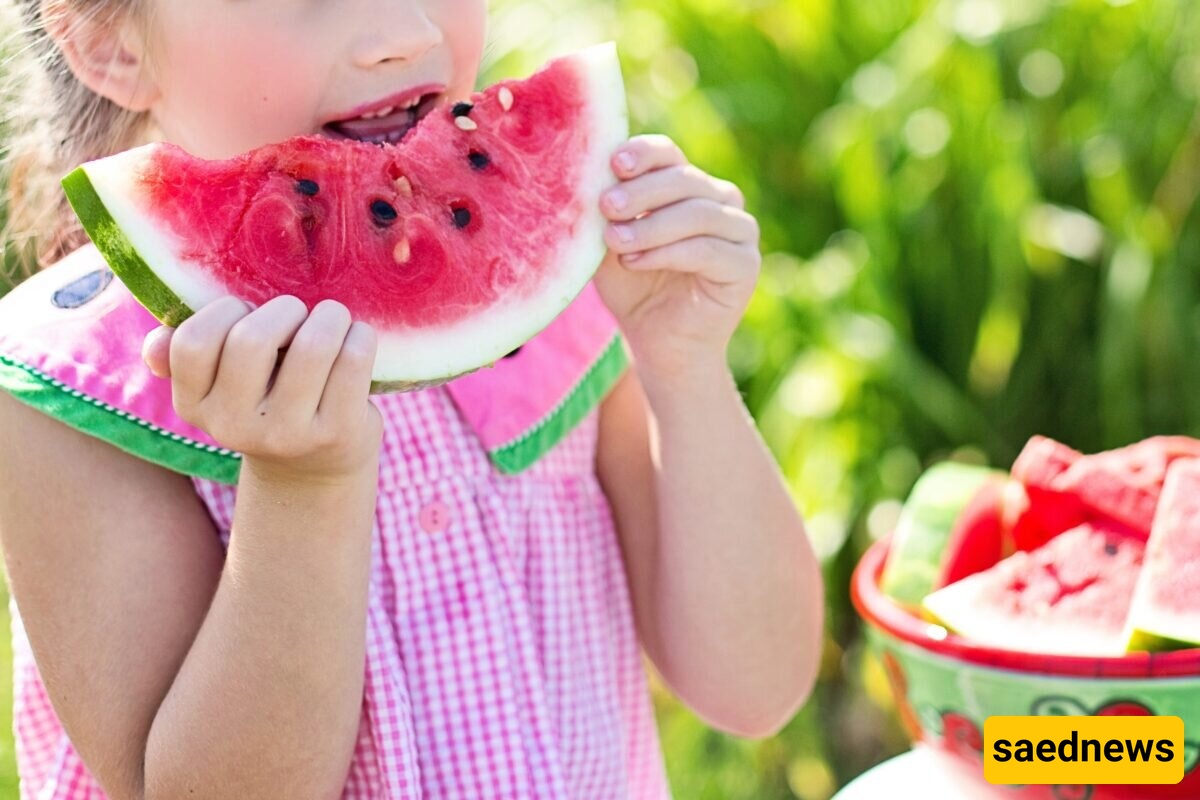
Spending too much time indoors can contribute to stress and anxiety in children. In contrast, outdoor play allows them to release energy, interact with peers, and experience joy freely.
Nature provides a space where children can laugh, move, and play without restrictions, contributing to their overall happiness and emotional well-being.