SAEDNEWS: Hot flushing is one of those changes that can wake you up in the middle of the night. But the question is: is experiencing hot flashes during pregnancy normal or not? To find the answer to this question, stay with us until the end of this article.
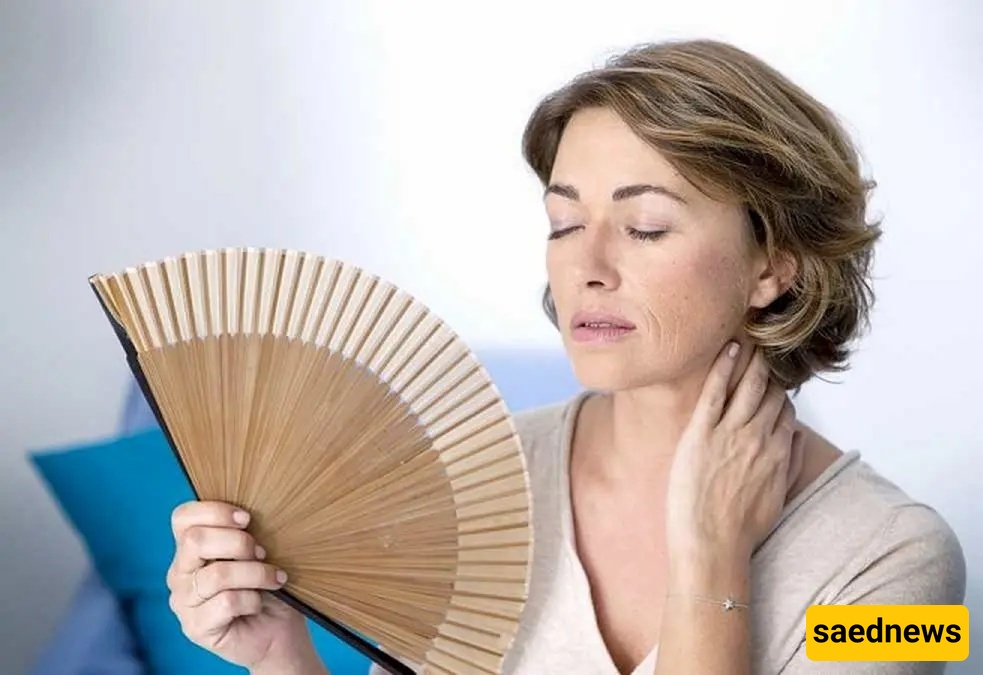
According to Family Magazine service SaedNews, the changes that occur in the body during pregnancy can affect your daily life. In addition to anxiety, restlessness, or increased appetite, other changes may also occur that you should be aware of.
A review of the earliest pregnancy symptoms in the first week shows that hot flashes are not among the initial signs of pregnancy. They usually occur after symptoms such as breast tenderness, mood changes, and fatigue. However, they may still appear during the first trimester.
Hot flashes can occur at any stage of pregnancy, but they typically peak in the third trimester. A study found that about 18% of women experience them in the first 20 weeks of pregnancy, and overall up to 35% may experience them during pregnancy.
There is also a possibility of experiencing hot flashes after childbirth, as pregnancy-related hormones suddenly decline.
Hot flashes are accompanied by a sensation of heat on the skin, sweating, and redness. They most commonly affect the face, neck, and chest, lasting from a few seconds to several minutes.
As with other pregnancy symptoms, the intensity and frequency vary from person to person. Some women may experience shorter or longer episodes.

In most cases, hot flashes during pregnancy do not require medical treatment, as they are unlikely to raise core body temperature to dangerous levels for the mother or fetus. However, it is important not to confuse hot flashes with fever, which may indicate infection and can harm the baby.
If hot flashes are accompanied by fever, consult a gynecologist immediately.
The key difference between fever and hot flashes is that fever raises core body temperature, while hot flashes do not. If your body temperature remains above 100.4°F (38°C) for 1–2 days, contact your doctor.
It is important to note that excessive heat exposure may increase the risk of spinal and neural tube defects in the fetus. Pregnant women should avoid activities that significantly raise body temperature, such as hot baths or saunas for more than 20 minutes, and should limit exposure during very hot weather.
Hot flashes during pregnancy are a normal sign of hormonal changes, but there are other contributing factors:
Increased blood flow: Blood circulation increases by about 40% during pregnancy, bringing more blood to the skin and causing a warmer sensation.
Thyroid changes: Thyroid hormones regulate metabolism and body temperature and naturally fluctuate during pregnancy.
Medication side effects: Some medications may cause sweating and hot flashes. Pregnant women should avoid taking any medication without medical advice.
Low blood sugar: Increased metabolism during pregnancy may lead to insufficient calorie intake, causing low blood sugar and hot flashes.
Hormonal fluctuations are the most common cause.
Hot flashes are more common in pregnant individuals who:
Have a BMI above 25
Are under 30 years old
Have depression
There is no reliable scientific evidence linking hot flashes during pregnancy with the baby’s gender, despite common traditional beliefs.
Although it may seem logical that higher hormone levels in multiple pregnancies could increase hot flashes, scientific research has not confirmed this. Hot flashes can occur in any type of pregnancy.
Hot flashes are a normal pregnancy symptom but can be uncomfortable. Instead of ignoring them, they can be managed safely:
Avoid herbal or natural remedies claiming to reduce hot flashes without medical approval, as they may contain harmful substances.
Do not take any medication or supplements without consulting a doctor.
Helpful ways to cool the body include:
Taking regular showers
Using cold compresses on the back of the neck
Staying well hydrated
Using fans or air conditioning
Opening windows when needed
Wearing loose, breathable clothing made from natural fabrics
Using light bedding during sleep
Avoiding cooking in hot weather
Avoiding spicy and hot foods
Avoiding exercise in hot environments