SAEDNEWS: A Brazilian Oxalis (Clover Family) Plant Arrives as a Guest in Your Home — How to Care for It Properly
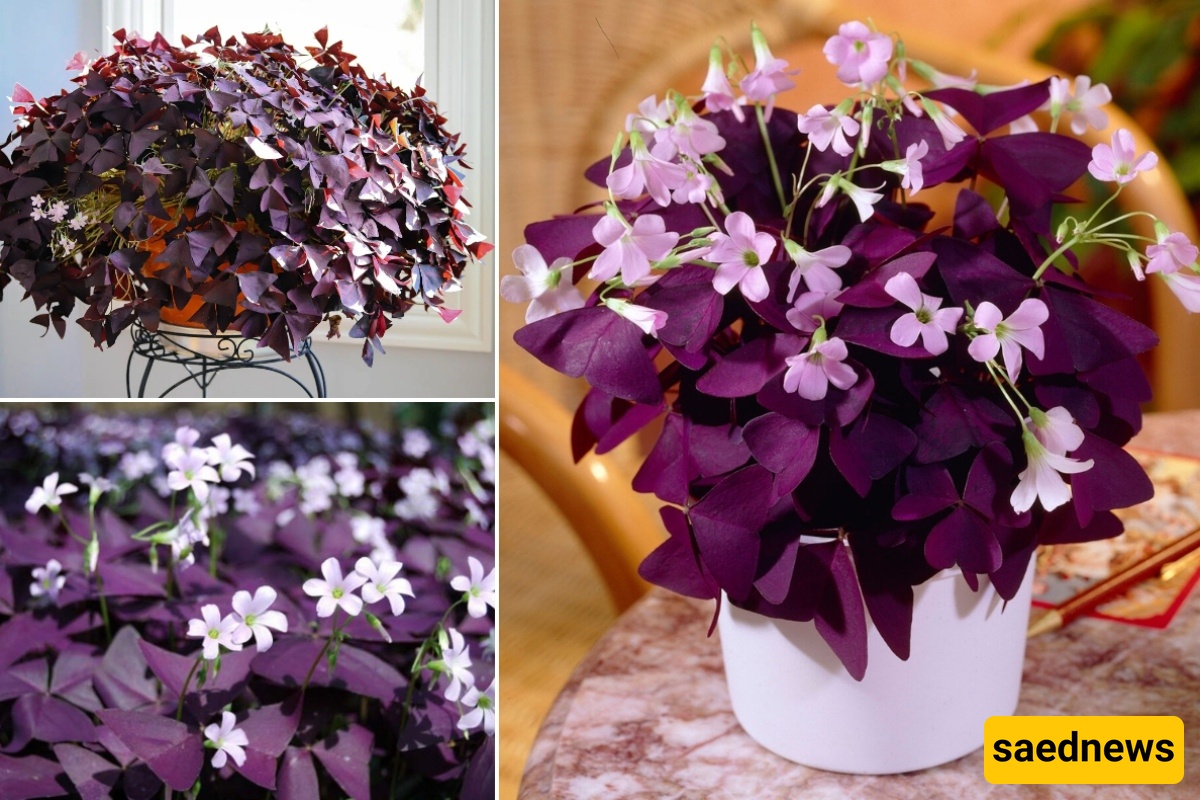
According to Saednews, The ornamental shamrock, scientifically known as Oxalis regnellii, is a perennial herbaceous plant belonging to the Oxalidaceae family. Despite its common name, it is not related to true clovers. Native to South America—especially Brazil—this plant has recently been introduced to Iran and has gained popularity as an indoor and garden ornamental species.
Purple Shamrock
Love Plant
Oxalis
Sour Clover
Purple Clover

South America (particularly Brazil)
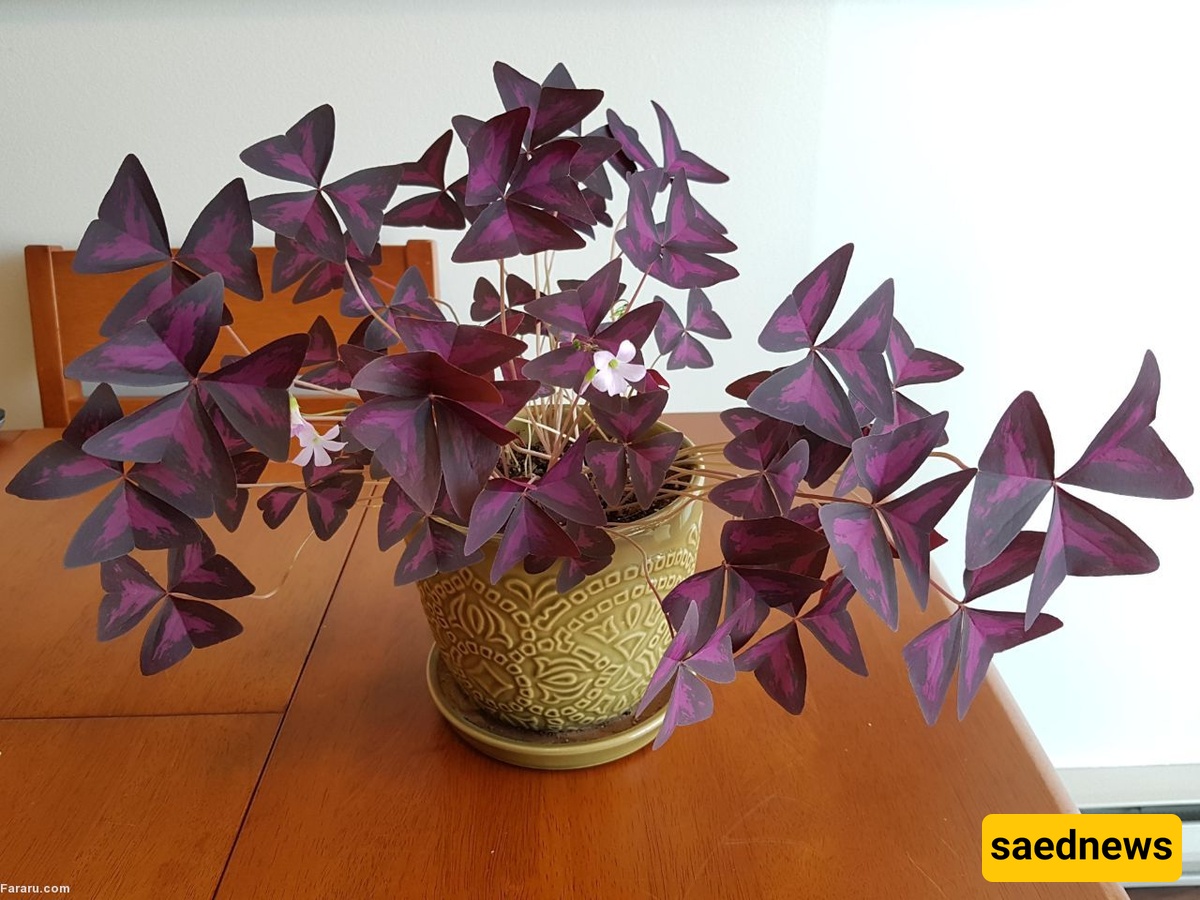
Purple shamrock is valued for its striking decorative foliage. The leaves are:
Deep purple in color
Triangular and arranged in groups of three
Shaped somewhat like butterflies
A unique feature of this plant is its nyctinastic movement: the leaves open during the day and close at night.
The plant typically:
Grows 15–30 cm tall
Spreads 30–40 cm wide
Has a moderate growth rate
Lives around 5–10 years
Small flowers in white, pink, or purple
Lightly fragrant
Bloom mainly in late spring and early summer
In some cases, flowers may change color over time
Propagation is usually done using bulbs or rhizomes.
Choose a nutrient-rich, well-draining soil
Place bulbs in the soil
Cover lightly with a thin layer of soil
Keep the pot in a tray with slightly moist conditions
Bright, indirect light is ideal
Direct sunlight may damage leaf color
Low light causes green fading of purple leaves
Prefers cool environments
Ideal temperature: 16–24°C
Does not tolerate extreme heat
Enters dormancy during very hot, cold, or dry periods
Requires moderate humidity
Moist air helps leaf movement
A water tray under the pot can help maintain humidity
Allow soil to dry slightly between watering
Once per week is generally sufficient
Avoid overwatering, as bulbs may rot
Stop watering during dormancy
Light, fertile, and well-draining soil
Recommended mix: peat moss + perlite or garden soil + leaf compost
Best done during winter dormancy
Every 2 years is recommended
Bulb separation is often done at this time
By separating bulbs during repotting
Each bulb can grow into a new plant
Mature plants can be cut back every 3–5 years
This encourages fresh growth
Complete cutting back is usually done during dormancy
Common issues include:
Powdery mildew
Root rot
Leaf spot diseases
Aphids, snails, and beetles
Oxalis contains oxalic acid, making it potentially toxic if ingested. It may cause:
Mouth and throat irritation
Possible poisoning symptoms
Allergic reactions to pollen in sensitive individuals
Suitable for indoor environments, patios, and garden borders
Prefers cool climates and struggles in extreme heat
Leaves respond strongly to environmental conditions
Overwatering is one of the most common causes of plant failure