SAEDNEWS: In recent years, mechanical watches have experienced a major transformation, and with the return of automatic watches to the market, enthusiasts have become more and more excited every day. Today, both major and small watchmaking companies are no longer afraid to showcase the gears and springs inside automatic watches.

According to Saednews, In recent years, mechanical watches have undergone a major transformation. With the return of automatic watches to the market, enthusiasts have become more and more excited every day. Today, large and small watchmaking companies no longer hesitate to showcase the gears and springs inside automatic watches. This visible movement is what distinguishes them from battery-powered models and draws attention to the inner mechanics and engineering of the timepiece.
But what exactly happens inside an automatic watch?
Today, many mechanical watches are automatic or self-winding. This means they wind themselves using a small rotor (a weighted component) inside the watch. While the watch is on your wrist and you are going about your daily activities, the motion of this rotor creates pressure on a spring inside the watch. This compresses the spring and stores energy, allowing the watch to continue running.
In addition, the crown (the small knob on the side of the watch) can also be turned manually to compress the spring and wind the watch.
Most Swiss automatic watch movements today originate from the company ETA, which is a subsidiary of the Swatch Group. This company was established during the 1970s and 1980s, in the midst of the quartz watch crisis. Its products are the result of consolidating and simplifying the Swiss watch industry. It can be confidently said that ETA is currently one of the giants of the global automatic watch industry.
Another type of wristwatch is the automatic or self-winding watch, which works very similarly to a mechanical watch. Like mechanical watches, it is made of complex springs and gears that move the hands of the watch.
The only difference is that it does not require manual winding. As the name suggests, automatic watches are wound through the daily movements of the wearer.
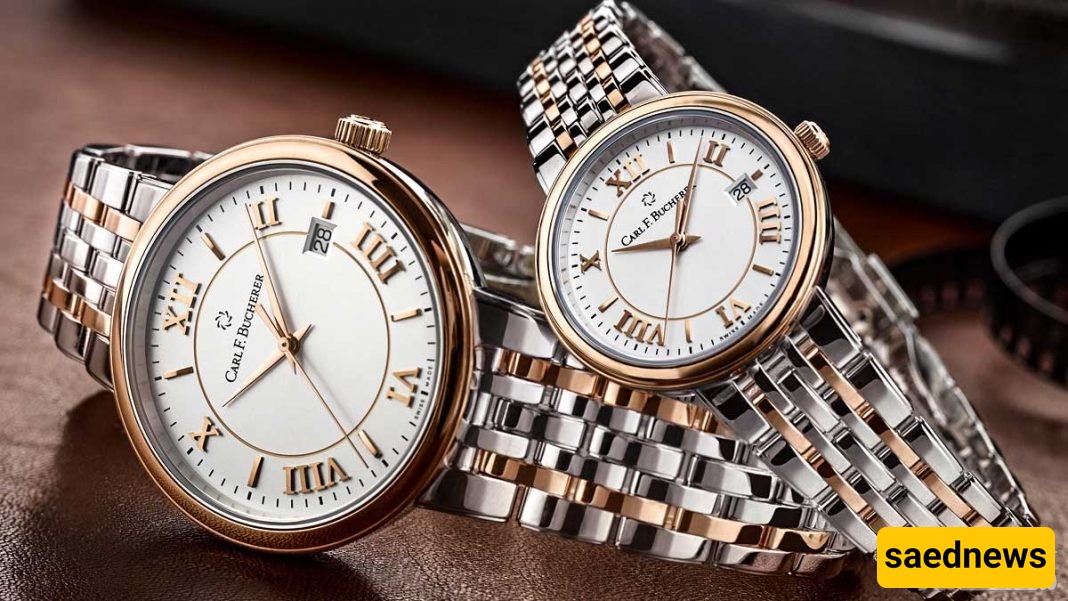
A small rotor inside the watch moves with your wrist motion and gradually winds the mainspring. These watches also include a mechanism to prevent excessive tension or pressure on the spring.
If you do not use your automatic watch regularly, you may use a device called a watch winder, which keeps the watch moving in circular motions so it stays wound and running.
No need for batteries or manual winding: Like mechanical watches, they do not require batteries. Unlike traditional mechanical watches, they are automatically wound by the wearer’s movement.
Smooth hand movement: Just like mechanical watches, the hands move smoothly rather than in a “tick-tick” motion.
Craftsmanship and character: The same level of engineering and craftsmanship found in mechanical watches is present in automatic watches as well.
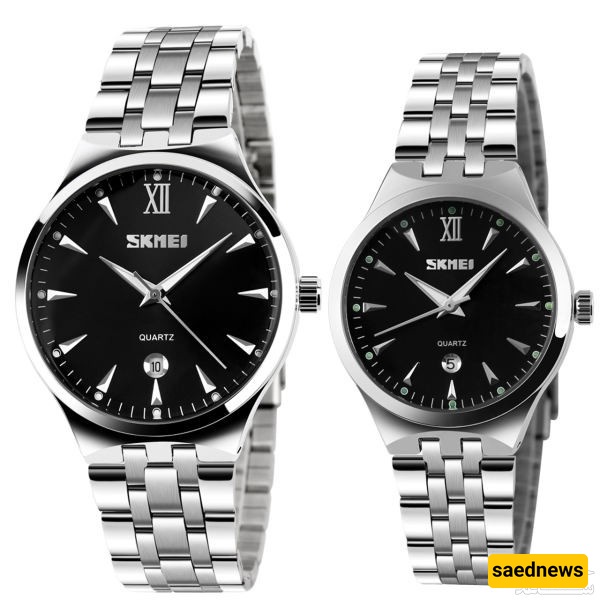
Sensitivity to environment: They are sensitive to humidity, dust, impact, and magnetism and require careful handling.
Need for a winder or regular use: If not worn, they stop running and may require a watch winder or resetting.
Decreasing accuracy over time: Like mechanical watches, their accuracy may decline over time, requiring servicing every 5–10 years depending on conditions and build quality.
High cost: High-level craftsmanship and engineering make them expensive.
After understanding watch movements, materials, and water resistance, it is important to look at different watch styles. Each style is suited for different occasions.
Classic watches are used with formal clothing. Men typically wear them with suits.
These watches are designed for athletic activities or outdoor use. Some sports watches include features such as heart rate monitoring.
Fashion watches often have unique, modern, and distinctive designs and are especially popular among younger people.