Saed News: A simple blood test is still the best and easiest way to learn about your health and any problems you may be suffering from. Of course, there is no need for complicated or unusual tests; checking just a few important indicators can provide a good prediction of your health condition.
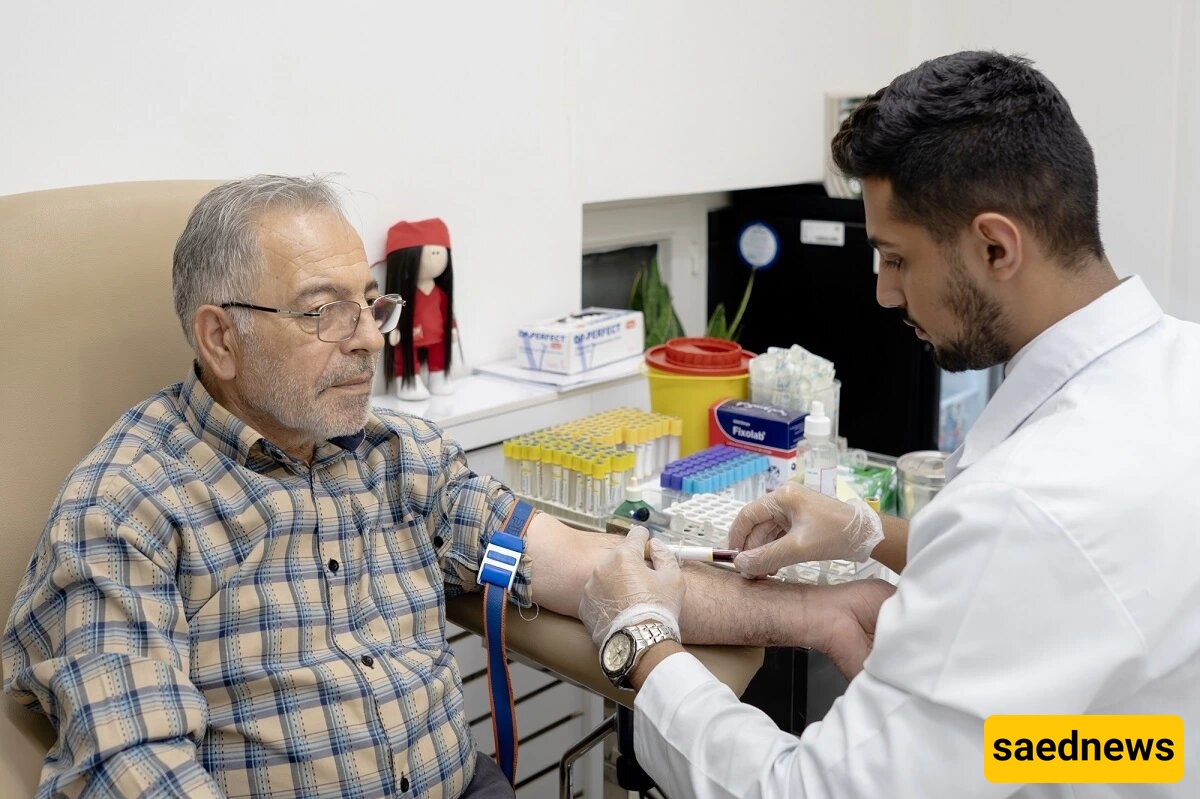
According to SAEDNEWS, one of the things that becomes more important after the age of 40 is paying attention to physical health. A simple blood test remains the best and easiest way to learn about your health and identify any potential issues you may have.
There is no need for complex or strange tests; checking a few key factors can give you a proper picture of your health. Health specialists say there are five tests people should undergo after the age of forty. Let’s take a look at them.
Most of us know that there is “good” cholesterol (HDL) and “bad” cholesterol (LDL). If you have too much LDL, it can cause atherosclerosis, which may block the arteries of the heart. After the age of 40, monitoring cholesterol levels becomes more important because the body gradually loses its ability to naturally remove LDL cholesterol from the blood, increasing the risk of heart attacks.
The thyroid is a small but powerful gland located at the front of the neck. It produces hormones that regulate metabolism, heart rate, and body temperature. Knowing whether it is functioning properly is very important. If your thyroid levels are abnormal, it is better to consult an endocrinologist or internal medicine specialist to control and treat the condition before it progresses.
Specialists emphasize the importance of testosterone for healthy aging in both men and women, especially after the age of 40. Thyroid problems, in addition to natural aging, can lead to a significant decline in testosterone levels.
In men, testosterone levels drop sharply between the ages of 35 and 40. In women, this decline begins around age 30. Both genders may experience mental health problems and severe fatigue, which are often linked to low testosterone levels. Knowing your testosterone level is important because with proper support it can be improved again, helping heart health and preventing unnecessary weight gain.
Vitamin D levels decrease after around the age of 40 because the skin gradually loses its ability to produce it from sunlight exposure. By the age of 80, we lose about 50 percent of the conversion capacity we had at age 20.
Vitamin D is essential for bone health, mood regulation, immune system support, and prevention of certain chronic diseases. To obtain this vitamin, you can benefit from sunlight and include vitamin D-rich foods in your diet.
Blood pressure is a key indicator of your health. It reflects the quality of your diet, the amount of exercise you do, and your stress level — all of which can lead to major heart problems.
In addition to medical tests, you can regularly measure and record your blood pressure so that if it becomes too high or too low, you can manage it properly.