SAEDNEWS: Fresh dates can spike blood sugar in people with diabetes due to their high sugar content. Experts recommend Khark dates, grown in Sistan and Baluchestan, which are lower in sugar and release it more slowly in the body.

According to Saed News Health Service, processed sugar is quickly absorbed by the body, causing an immediate spike in blood sugar. This triggers a surge of insulin, which moves sugar into cells for energy—but excess sugar is stored as fat, contributing to weight gain.
For healthy individuals, this process is manageable. But for people with diabetes, sudden sugar spikes are far more dangerous. In type 1 diabetes, insulin is insufficient; in type 2, cells resist insulin (often due to excessive sugar intake). In both cases, high blood sugar poses serious health risks.
Dates, however, raise blood sugar gradually, thanks to their fiber content that slows sugar absorption. This allows the body to use sugar for energy rather than storing it as fat. Moderation is still important: the amount consumed affects blood sugar levels.
Beyond being gentler on blood sugar, dates provide essential nutrients and numerous health benefits. Majid Hossein Ghomi, a nutrition and diet specialist, notes that some people should limit certain dates: diabetics, those with metabolic syndrome, cardiovascular issues, and individuals prone to cold sores.
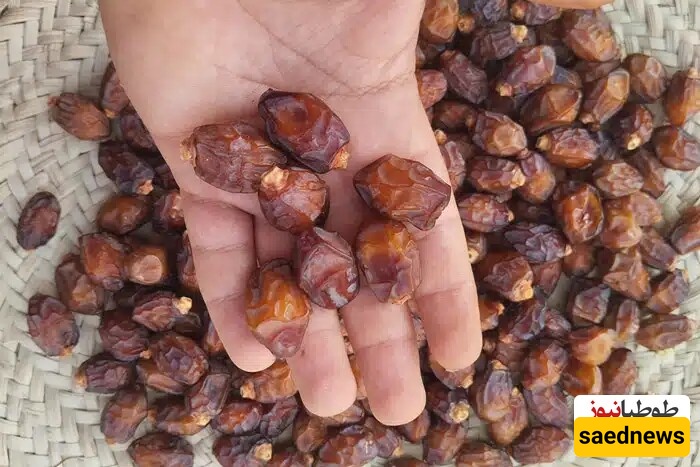
He explains that high-sugar dates, like fresh rutab, can spike blood sugar in diabetics, whereas lower-sugar dates, like kharak from Sistan and Baluchestan, release sugar more slowly and are safer.
Ghomi also advises moderation for those with metabolic or heart issues, as overconsumption can lead to weight gain. People with viral infections such as cold sores should also be cautious, since viruses can thrive on sugar.
Dates aren’t forbidden for diabetics, but portion and timing matter. As a fruit high in sugar and carbohydrates, dates can be consumed as part of a balanced diet under medical guidance, replacing one serving of fruit.