SAEDNEWS: 4,000-Year-Old Sacred Site Discovered During School Gym Excavation in Berbenno di Valtellina, Lombardy, Italy
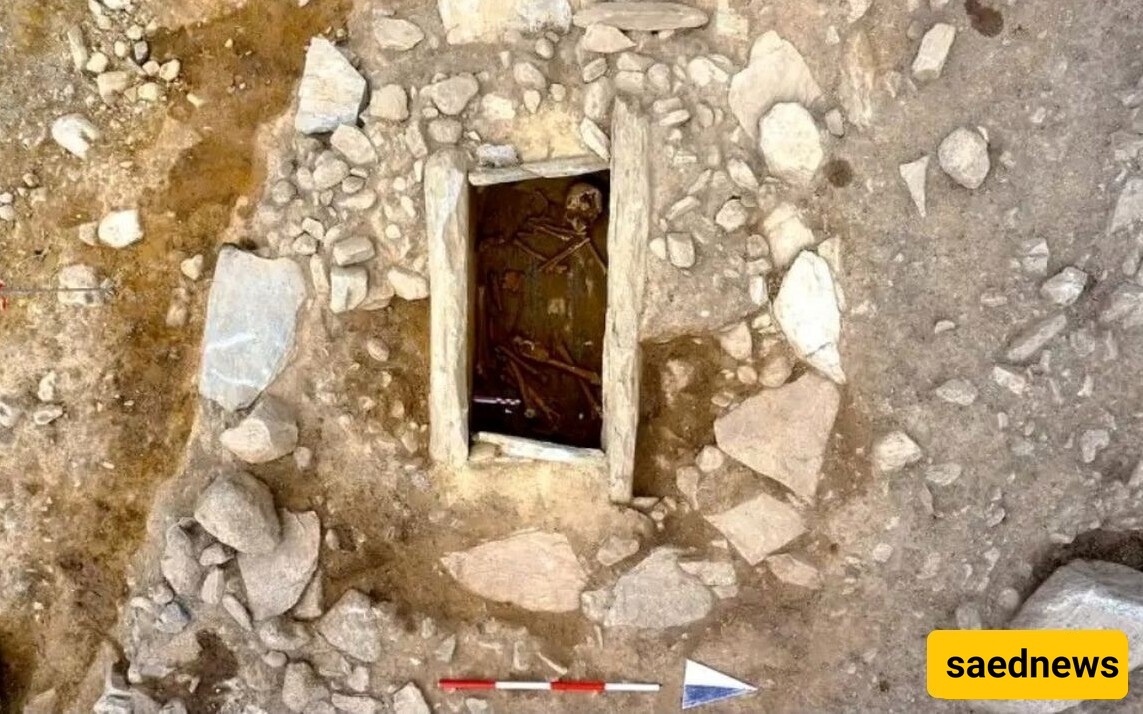
According to Saed News Agency, as reported by Faradeed, archaeological excavations carried out prior to the construction of a primary school gymnasium have led to the discovery of several ancient structures, including a stone tomb constructed from carefully arranged stone slabs. The tomb, which contained the remains of at least two individuals, was surrounded by a circle of stones and was likely originally covered by a burial mound.
Although the exact age of the burial has not been determined, it may date back to the late Copper Age or the beginning of the Bronze Age, approximately 4,000 years ago.
In northern Italy, the Bronze Age spans roughly from 2300 to 1150 BC, a period during which prehistoric communities underwent gradual yet significant transformations. Burial evidence and sacred or ritual sites—where decorative objects played a distinct and important role—are among the primary sources of information about this era.
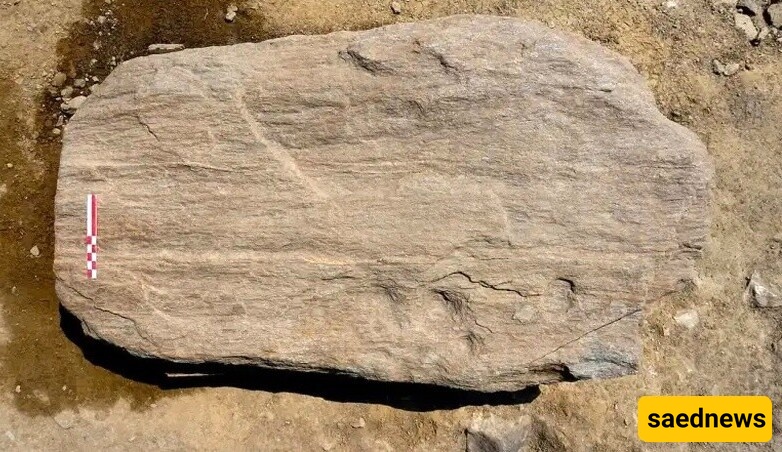
This discovery is considered exceptional and the first of its kind in Valtellina. It is particularly notable because one of the tomb’s walls was constructed using an ornate 4,000-year-old stone monument, similar to those found in the Teglio region and currently displayed at the Besta Palace.
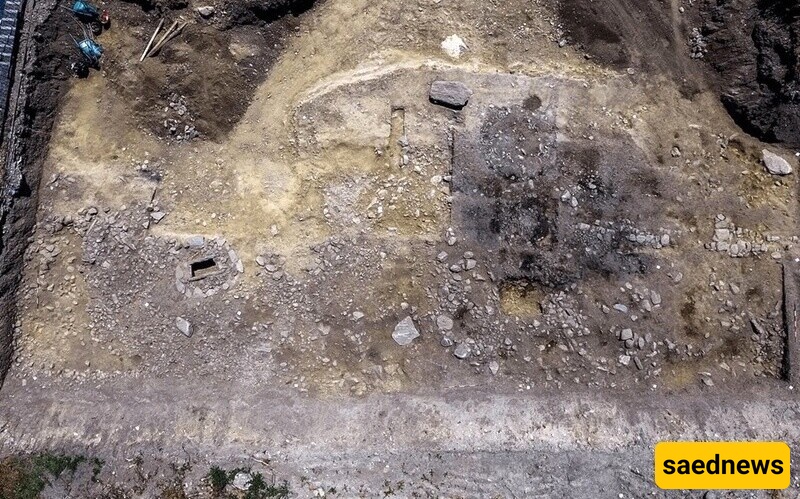
This stone monument significantly expands the known distribution area of such artifacts, which had never previously been found west of Chiuro. Based on the nature of the engraved objects, the monument is believed to be male-associated and may originally have been part of a larger arrangement. It was discovered within a kind of prehistoric shelter.
Stefano Rossi, the supervising archaeologist, stated: “It can certainly be said that what has been uncovered is one of the most important archaeological discoveries ever made in Valtellina.”
He added: “Previous findings from the 19th century had already confirmed human presence in Berbenno dating back to at least the Bronze Age, but the new discoveries push the history of this area back by at least a thousand years. In particular, the western stone monument represents the most westerly evidence of this important cultural phenomenon, dating back more than 4,000 years.”
As archaeological research is still ongoing, further details are expected to emerge soon. Once excavations are completed, the remains are likely to be relocated for preservation, allowing the construction project to continue.