SAEDNEWS: Iran is set to soon submit a revised nomination dossier for Masuleh and its cultural landscape for possible inscription on UNESCO’s World Heritage List, a senior cultural heritage official said on Monday.
According to SAEDNEWS, Ali Darabi, the deputy minister for cultural heritage, said the dossier has been completed, signed and is ready to be sent to UNESCO headquarters in Paris. The nomination will be resubmitted following additional studies requested during a previous review by the World Heritage Committee.
According to a statement released by the Ministry of Cultural Heritage, Tourism and Handicrafts and reported by ISNA, the updated file was finalized on Sunday and will be forwarded to UNESCO in the coming days.
Darabi said the nomination was previously examined at the 45th session of UNESCO’s World Heritage Committee held in Riyadh, Saudi Arabia, in September 2023, where the advisory body ICOMOS (International Council on Monuments and Sites) recommended that further research be carried out. The committee subsequently granted Iran an opportunity to revise and resubmit the dossier without being subject to the annual nomination quota.
“The Masuleh dossier is significant because it documents evidence of iron extraction and production during the Islamic period,” Darabi said. “Its location within the Hyrcanian forests, the coexistence of different communities, and the distinctive architectural form of its buildings are among its key attributes.”
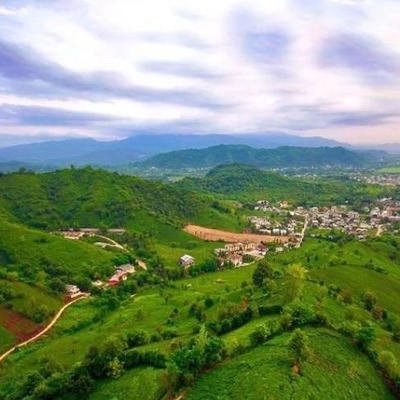
Masuleh is located about 25 kilometers southwest of Fuman in Gilan province. The historic settlement, known for its stepped architecture in which rooftops serve as walkways for higher houses, was registered on Iran’s national heritage list in 1975. Efforts to secure its World Heritage status began in 2011, and the site was placed on UNESCO’s Tentative List in 2007.
The revised nomination places particular emphasis on Masuleh as a cultural landscape that integrates architecture, natural environment and industrial heritage, especially its historic metalworking sites.
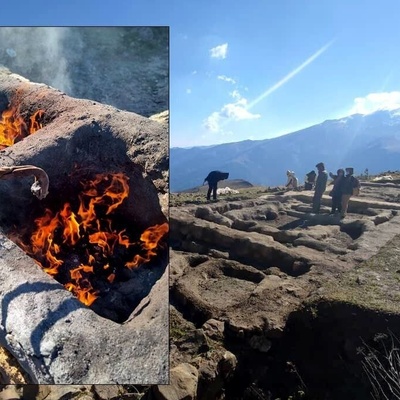
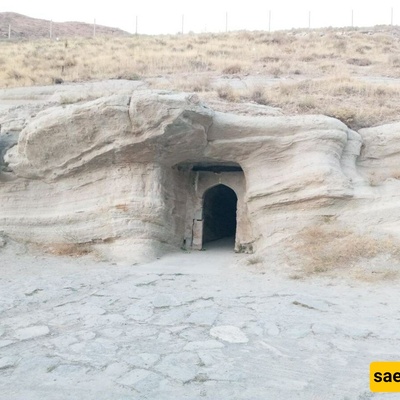
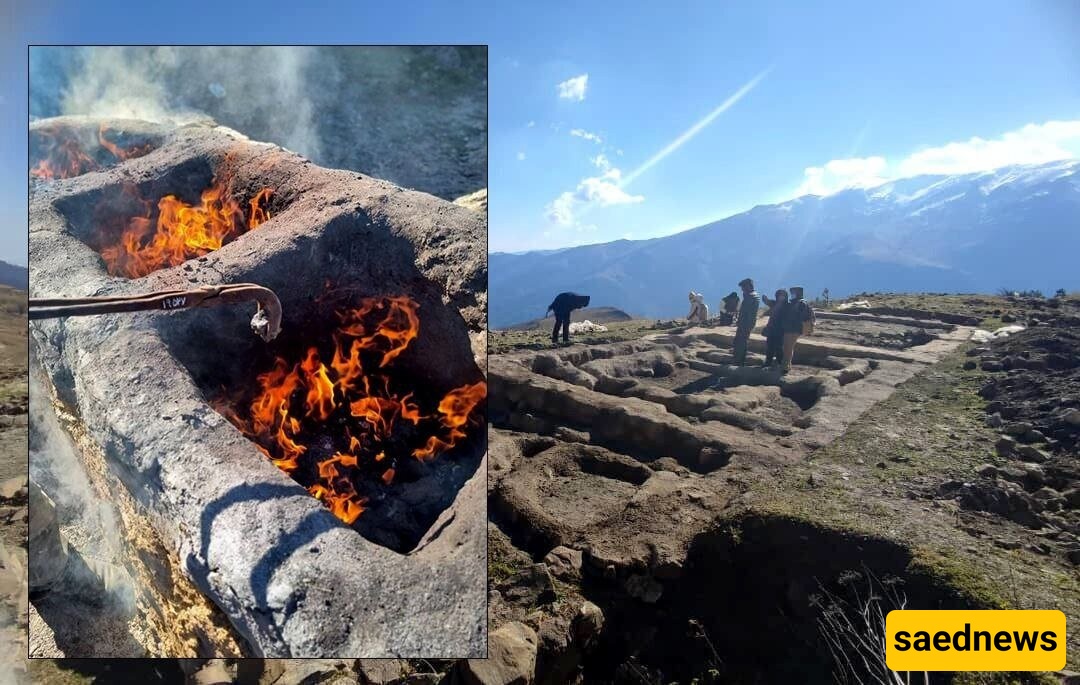
In December 2025, an interdisciplinary team of Iranian and Chinese researchers successfully reconstructed a medieval iron smelting and casting complex near Old Masuleh, based on archaeological evidence gathered over two decades. The project was led by Farzad Asadi, a faculty member at Azad University, and employed experimental archaeology to test the full operational process of iron production.
“This was not merely an architectural reconstruction,” Asadi said. “We evaluated airflow, thermal efficiency and the entire sequence from sponge iron to cast iron.”
The reconstructed four-stage furnace system demonstrated advanced metallurgical knowledge, including preheated air channels, permanent stone structures and a dedicated casting area. Laboratory analyses of slag and iron samples showed high levels of material purity and technical control, supporting the conclusion that Old Masuleh functioned as a permanent iron production center rather than a temporary bloomery site.
Mustafa Pourali, director of the Masuleh World Heritage nomination dossier, said the second and more detailed reconstruction phase revealed clear technological links to so-called “Iranian-type” furnaces. He added that the findings, which are expected to be published internationally, highlight Masuleh’s role in technological exchange along historic trade routes connecting Iran with the Caucasus and Central Asia, including branches of the Silk Road.
Researchers say the metallurgical discoveries add an industrial dimension to Masuleh’s cultural landscape, which is already renowned for its terraced urban plan and close adaptation to the forested slopes of the Alborz Mountains. The settlement is estimated to be between 800 and 1,000 years old, with numerous cemeteries inside and around the town attesting to its long continuity.
Masuleh’s architecture follows the natural gradient of the mountain, with multi-storey buildings aligned in parallel with the slope. The visual prominence of façades has historically encouraged high levels of craftsmanship, as most exterior walls are directly visible to the public.
Related Iranian officials believe the integrated preservation of Masuleh’s natural setting, architectural form and industrial heritage is central to the revised UNESCO nomination and to demonstrating the site’s outstanding universal value on a global scale.