SAEDNEWS: In 1957, BBC Television Astonished the Public with a Bizarre Prank — Sparking a New Era for April Fools’ in Mainstream Media
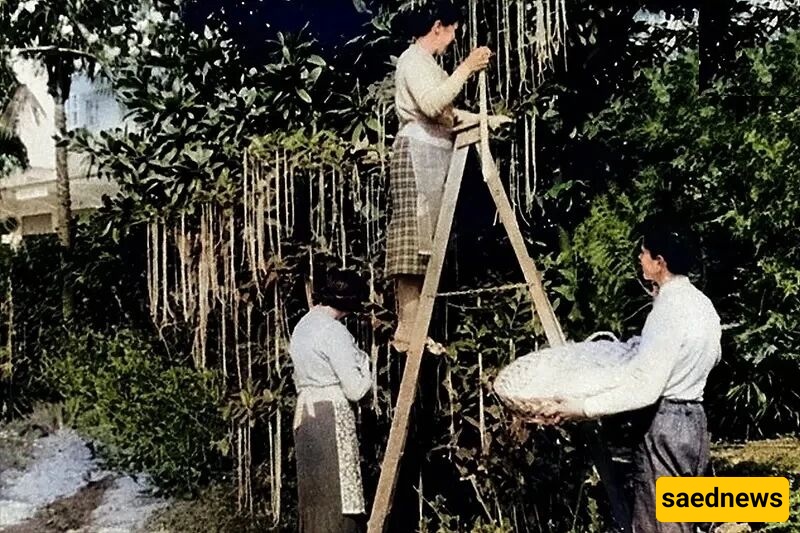
Imagine a Swiss family harvesting delicate strands of spaghetti from trees. Strange, isn’t it? Yet, this bizarre scene aired as a seemingly credible report on the BBC’s Panorama program in 1957. How was this possible? At the time, spaghetti remained a culinary mystery for many Britons.
So, when viewers heard the “spaghetti harvest” report, they believed they could grow their own pasta! Soon, the BBC was inundated with letters from eager viewers seeking guidance on cultivating their own spaghetti trees. As the initial excitement waned, chaos ensued. Headlines stirred public debate, and people argued over a simple truth: spaghetti does not grow on trees.
This whimsical prank highlighted both the power of media and the public’s gullibility. The 1957 spaghetti tree hoax remains a historic reminder of the influence of a well-crafted April Fools’ lie.
The mastermind behind the hoax was Panorama cameraman Charles de Jaeger, an Austrian-born filmmaker with a love for practical jokes. As a child, one of his teachers remarked, “If someone told you spaghetti grew on trees, you would believe it.” Charles had long dreamed of staging an April Fools’ prank, and in 1957, the opportunity finally arose. April 1 coincided with the broadcast of Panorama on a Monday—a perfect setup.

Charles presented a convincing plan and assured the production team that the filming could be done on a modest budget. Michael Peacock, the Panorama editor, nodded in approval at the meager £100 allocation for the project.
Filming took place at a hotel in Castiglione, along the tranquil shores of Lake Lugano. Charles’ plan involved 20 pounds of uncooked spaghetti, carefully hung on the branches of laurel trees surrounding the lake to create the illusion of “spaghetti trees.” Working with uncooked pasta was tricky—if it dried out before filming, the illusion would fail. To prevent this, the strands were sandwiched between damp cloths. Charles added Swiss women in traditional dress to the scene, tasked with “harvesting” spaghetti: filling wicker baskets and spreading the pasta under the sun to dry, just like a real crop.
The prank gained credibility through the participation of broadcaster Richard Dimbleby. A respected war correspondent and veteran presenter, Dimbleby was not known for humor. Yet he delivered the report with complete seriousness, describing the abundant spaghetti harvest in Switzerland, credited to the near-elimination of the main pest—the “spaghetti weevil.”
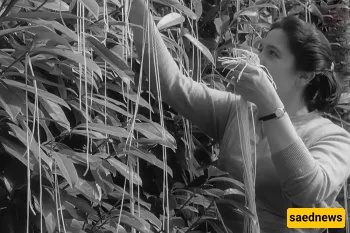
Dimbleby’s narration was paired with footage of cheerful Swiss women delicately plucking pasta from tree branches: “After harvesting, it is laid out in the warm Alpine sun to dry. Many are astonished at the uniform length of the spaghetti—a result of years of patient cultivation by dedicated growers.” The narrator explained that the end of March was a particularly tense time for spaghetti harvesting across Europe, as harsh frosts could affect the flavor.
An estimated eight million viewers watched the program on April 1, 1957. Hundreds of astonished individuals called the BBC, eager to grow their own spaghetti trees. The network humorously advised: “Place a branch of spaghetti in a pot of tomato sauce and hope for the best.”
According to BBC reporter Leonard Myall, many calls were domestic disputes: “Husbands were convinced by Dimbleby’s report, while their wives insisted spaghetti is made from flour and water, but neither could persuade the other.”
Even BBC Director-General Sir Ian Jacob initially fell for the joke, consulting the Encyclopaedia Britannica to confirm it, only to find no mention of spaghetti trees. He later wrote to Charles: “The spaghetti harvest was a brilliant idea, beautifully filmed and organized. It brought a great deal of joy in every way.”
At the time, pasta remained relatively uncommon in Britain. Most people bought it canned from stores and knew little about its origins or production, making them prime targets for the prank.
The hoax also sparked criticism, igniting public discourse on media credibility. Some condemned the BBC for misleading viewers.
Yet producer David Wheeler never regretted the stunt. In a 2004 interview, he said, “I have no regrets whatsoever. I think it was a good way to show that not everything on television should be taken at face value,” emphasizing the importance of a critical approach to media content.