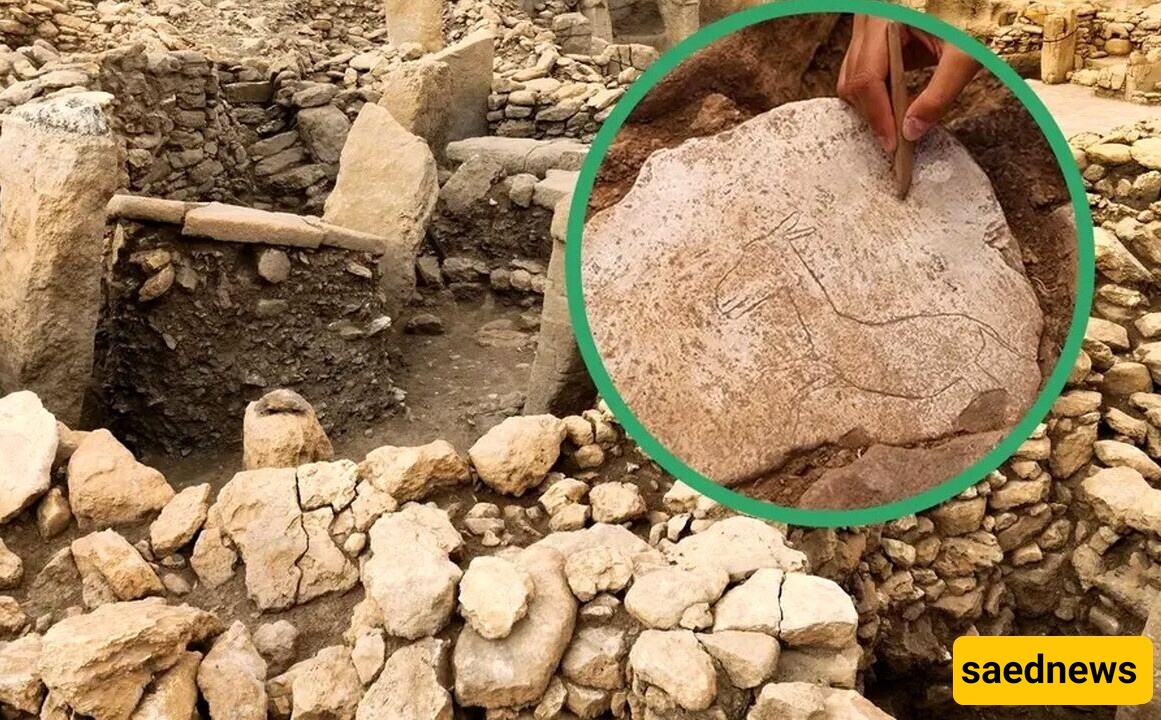
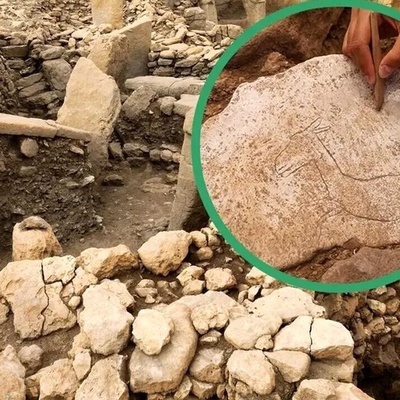
SAEDNEWS: A carving of a running zebra etched into stone has been uncovered in recent excavations at Karahan Tepe, Turkey. This site is among the world’s oldest known settlements, dating back some 11,000 years.
According to Saed News’ society desk, the prehistoric site of Karahan Tepe, located 37 kilometers southeast of Göbekli Tepe, is part of the Taş Tepeler (Stone Mounds) project in present-day Turkey.
Taş Tepeler, meaning “Stone Mounds,” aptly describes a region dotted with multiple sites featuring T-shaped human-like pillars.
Excavations at Karahan Tepe continue in 2024, and among the latest findings is an image of a wild donkey running across one of the stone-paved floors.
Professor Nejmi Karul, head of the Karahan Tepe excavation, told AA News Agency that digging continues at ten sites, including Karahan Tepe, under the Taş Tepeler project.
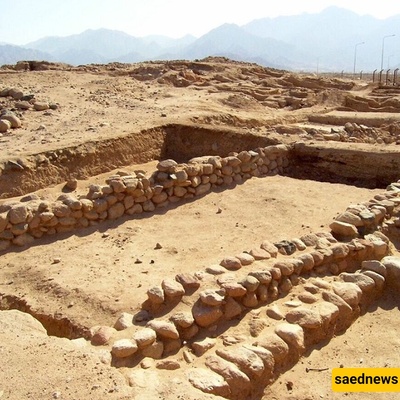
Karul explained that this year, work has focused on other public buildings and huts surrounding the central communal structure at Karahan Tepe, with one of them having opened for exploration a few weeks ago:
“This building is partly sunken into the ground and sits atop a short stone wall with a mudbrick system. We know the floors were paved with large flat stones. Some of these stones were used as grinding tools, and on one of them, we came across the depiction of a wild donkey. Animals played a significant role in the iconography of this period. We categorize them into two groups: the first includes animals portrayed as fearsome or mysterious, which we see primarily on the pyramid-like pillars. The second group includes birds and animals that were consumed or commonly interacted with by humans, such as gazelles—the most popular—and wild donkeys. These animals were part of daily life, unlike the fearsome ones.”
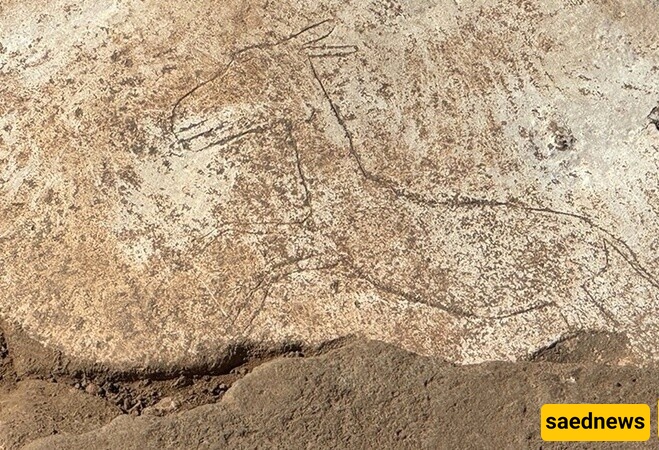
The wild donkey is carved on a base with grinding stones in motion. Previously at Göbekli Tepe, faces were found on building bases, but this is the first time a moving wild donkey figure has been discovered. The finding provides insight into animal iconography and the relationship between humans and their environment.
Karul noted that the structures currently being studied date back 11,000 years, and the presence of grinding stones indicates that daily life activities took place here.
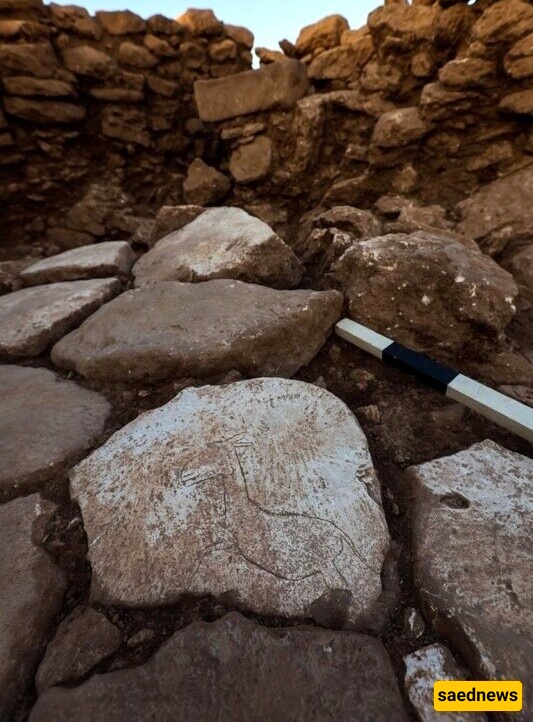
“The donkey figure, about 20 centimeters long, sits next to a grinding stone, but its depiction in motion also demonstrates the skill of the artists of that era. This is the first such figurine found within building levels at Karahan Tepe, though similar examples may exist. We have yet to reach the floors of many of the huts mentioned,” Karul added.
Mehmet Nuri Ersoy, Turkey’s Minister of Culture and Tourism, wrote on social media that Karahan Tepe is one of the most significant Neolithic settlements, illuminating the depths of history, and that the Stone Mounds project continues to shed light on the history of the world.

![Bizarre Treasure Found in the Mouth of a 3,000-Year-Old Woman’s Corpse [Photos]](https://en.saednews.com/storage/files/post/a4461034-21ba-4c82-8a42-7b49cebc46a2-ohAN6pbxEovtFKMf/1x1-image.jpg)

![Massive Ancient Mosaic with Stunning Design Unearthed in Turkey [Photos]](https://en.saednews.com/storage/files/post/42592f12-4887-4f4a-b223-a35c47f0d725-ItJNO4TDNPOfLvNT/1x1-image.jpg)